
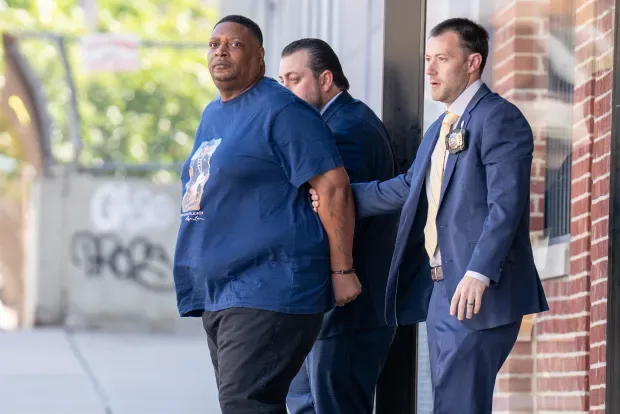
More than three decades after a brutal sexual assault shocked a Brooklyn neighborhood, advances in forensic genetics have helped investigators identify the alleged offender. The case, once considered a cold investigation with no viable leads, demonstrates the growing importance of familial DNA analysis in solving historic crimes.
A crime that remained unsolved for 31 years
On 2 August 1995, a 25-year-old woman was attacked on the rooftop of an apartment building in the Bedford-Stuyvesant area of Brooklyn, New York. According to investigators, the assailant sexually assaulted and robbed the victim before fleeing the scene.
Forensic experts collected biological evidence immediately after the assault and developed a DNA profile from the crime scene. Although the profile was preserved, it did not match anyone in criminal DNA databases at the time, leaving detectives without an identifiable suspect. The investigation remained open for decades as technology continued to evolve.
How familial DNA provided the breakthrough
Rather than searching for an exact DNA match, investigators later turned to familial DNA searching,a forensic technique that identifies close biological relatives of an unknown individual. This method compares crime scene DNA against existing database profiles to detect potential family connections, such as parents, siblings, or children.
The familial match directed detectives toward a specific family lineage, allowing them to narrow the investigation and identify William Stephens, now 55, as the alleged suspect. After he was arrested on an unrelated warrant, investigators legally obtained an abandoned DNA sample, which was compared with the DNA recovered from the 1995 crime scene. The laboratory analysis reportedly confirmed a match, leading to criminal charges.
The role of forensic evidence in preserving justice
A crucial reason the case remained legally prosecutable was the use of a John Doe DNA indictment. In 2005, prosecutors filed charges against an unknown offender identified only by his unique DNA profile, effectively preserving the case even though the suspect's identity was unknown. Once forensic science established the alleged offender's identity years later, investigators were able to proceed with the prosecution.
Why this case matters
The Brooklyn rooftop rape investigation highlights how preserved biological evidence can become invaluable as forensic technology advances. Familial DNA has emerged as one of the most powerful tools in modern cold case investigations, helping authorities solve murders and sexual assault cases that once appeared impossible to resolve.
As DNA databases expand and forensic genetic methods become more sophisticated, cases like this reinforce the importance of careful evidence preservation, long-term forensic record keeping, and the evolving role of science in delivering justice decades after a crime occurred.