Forensic Live
Forensic Case Files
Landmark cases taken apart piece by piece: what the evidence was, how it was examined, what the laboratory found, and what the case changed.

Landmark cases taken apart piece by piece: what the evidence was, how it was examined, what the laboratory found, and what the case changed.
We use cookies to improve your experience and measure performance.
Landmark cases taken apart piece by piece: what the evidence was, how it was examined, what the laboratory found, and what the case changed.
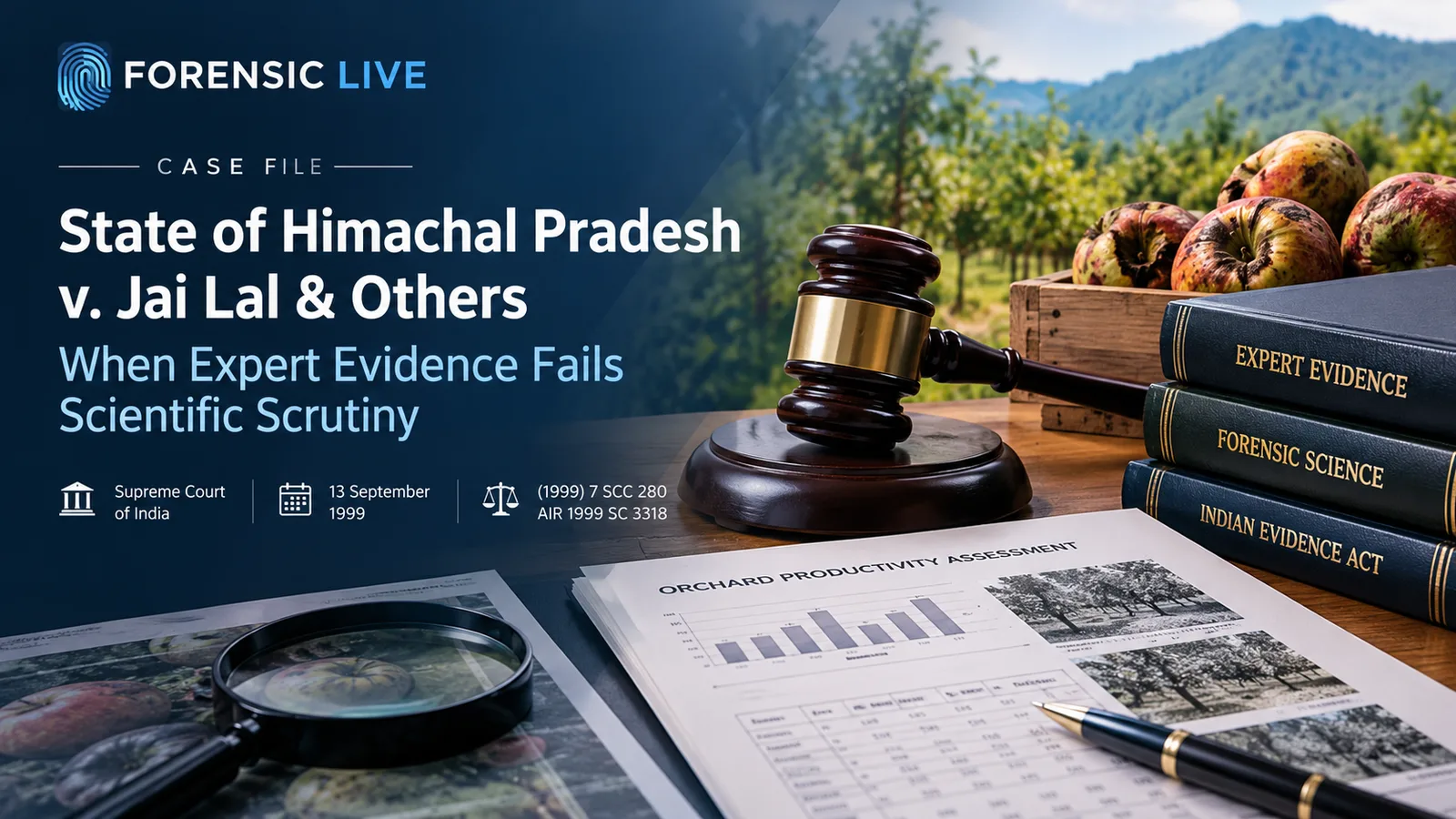
Supreme Court examines expert evidence reliability, scientific methodology and judicial scrutiny in State of Himachal Pradesh v. Jai Lal (1999).
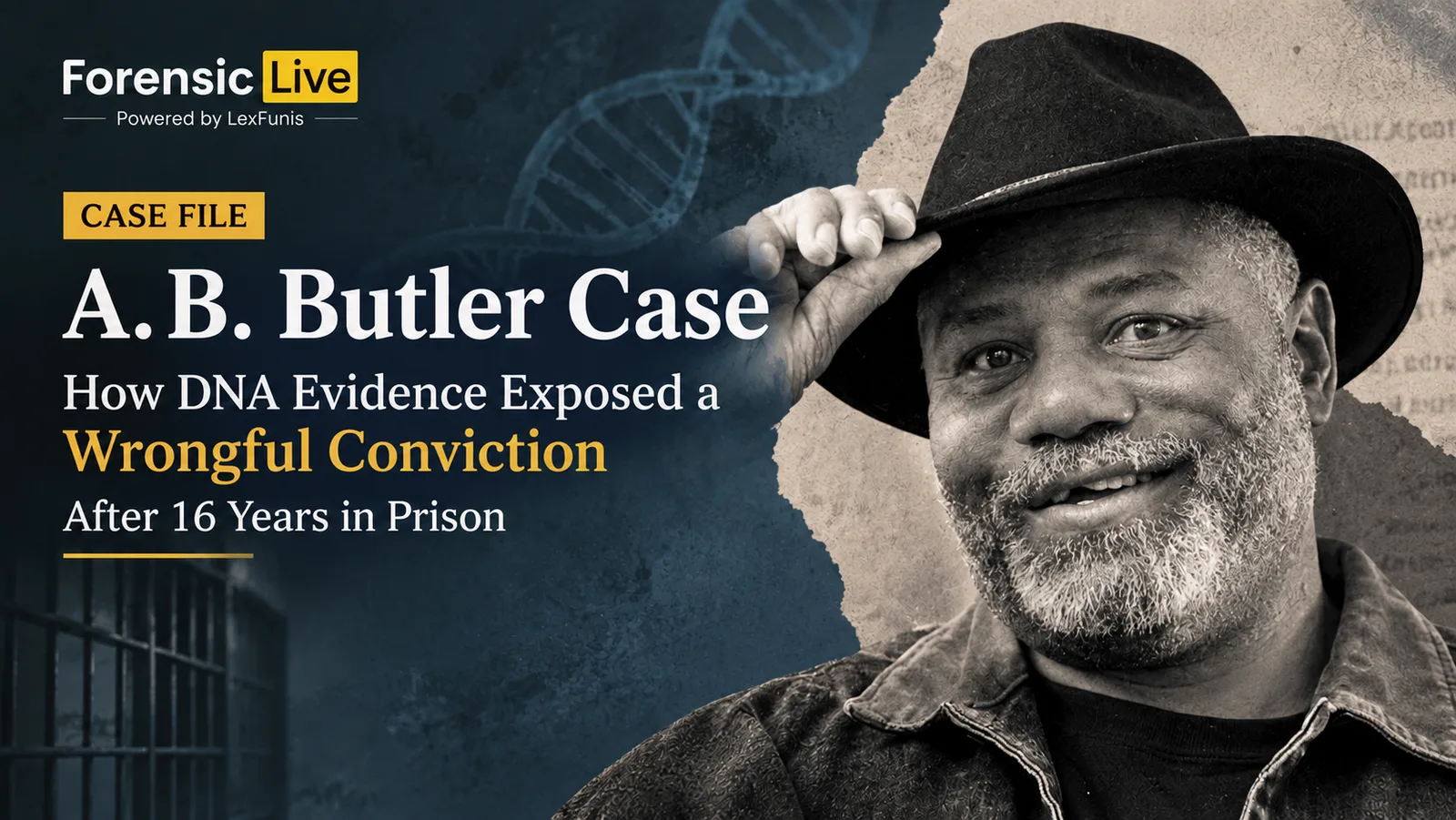
A.B. Butler spent more than 16 years in prison for a crime he did not commit. His case demonstrates how mistaken eyewitness identification can contribute to wrongful convictions and how advances in Y-chromosome DNA testing, supported by preserved biological evidence, can expose errors and help secure justice.
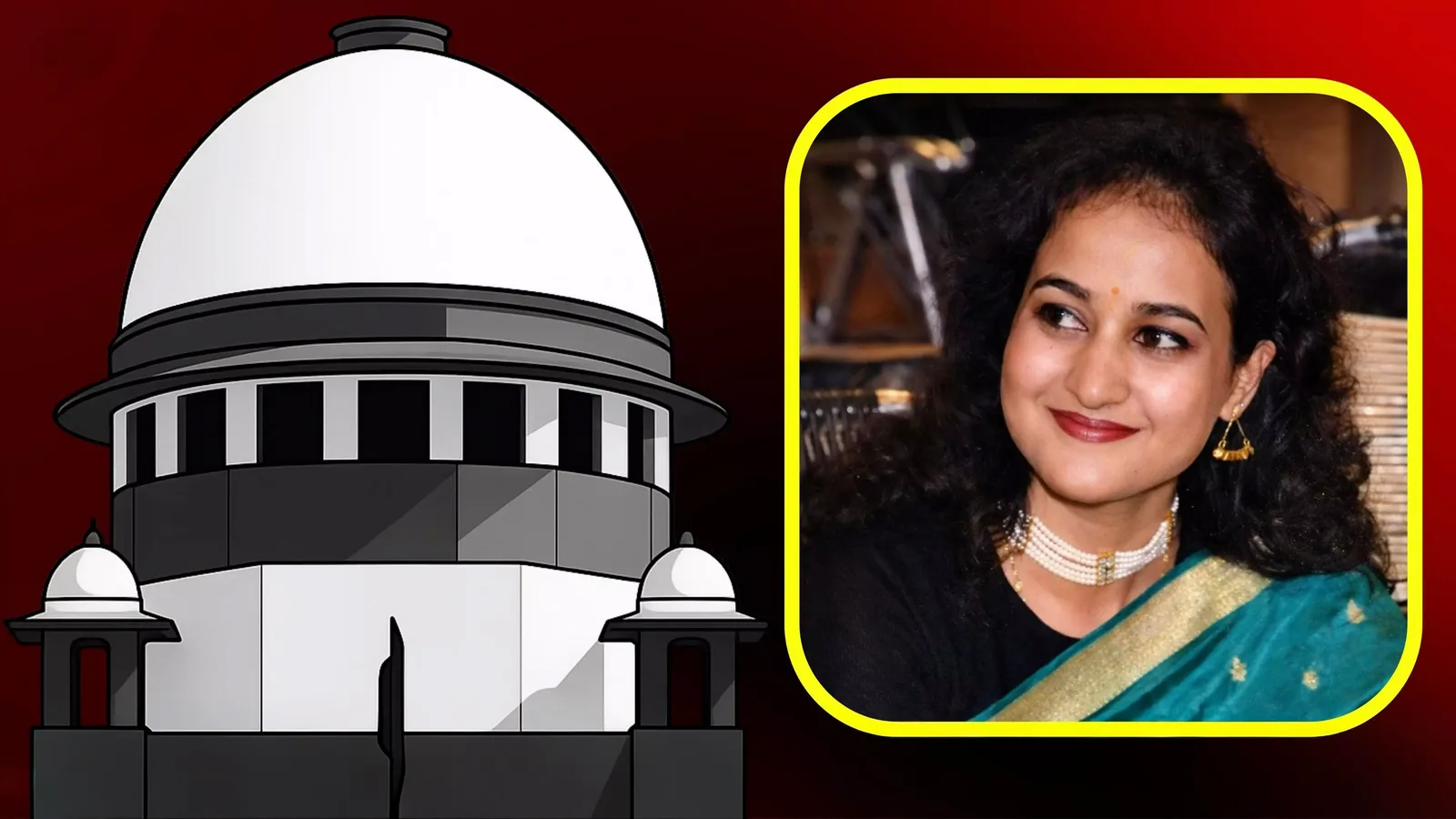
DNA evidence and circumstantial findings played an important role in the Priyadarshini Mattoo rape and murder case.
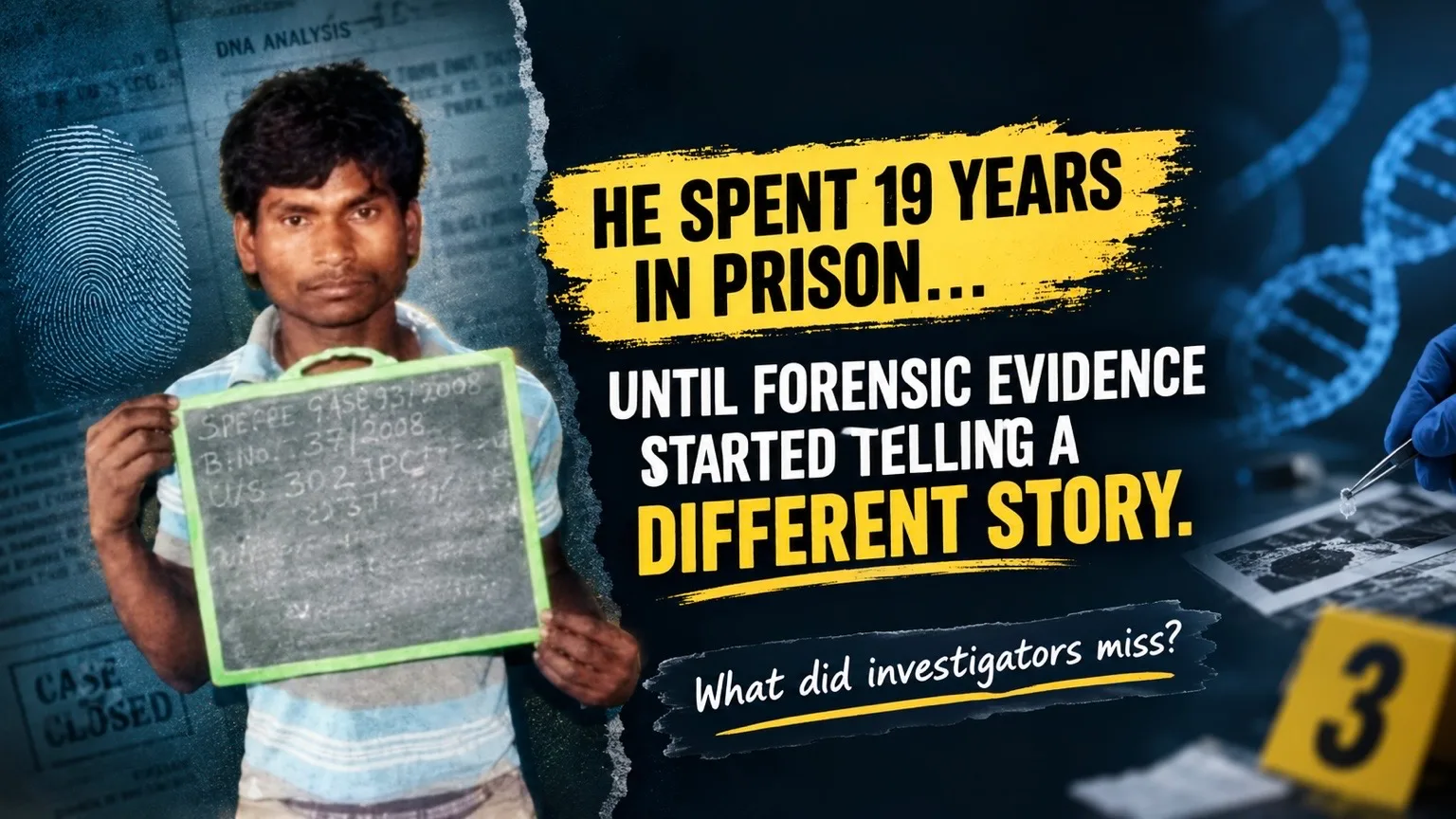
Anokhilal case shows how forensic gaps and DNA evidence can shape wrongful convictions.
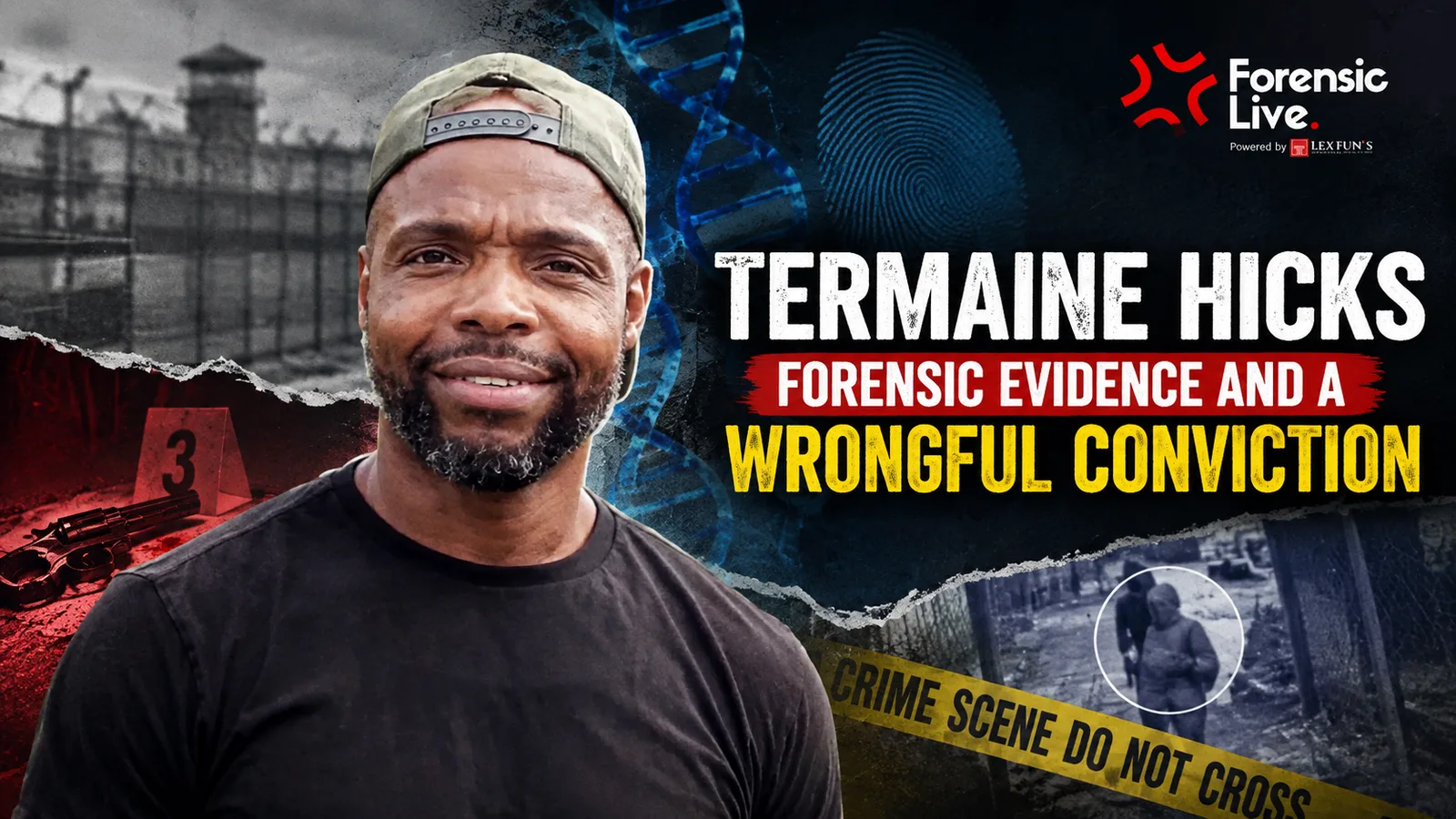
Termaine Hicks spent nearly 19 years in prison before forensic evidence, DNA testing and shooting analysis helped overturn his wrongful conviction.
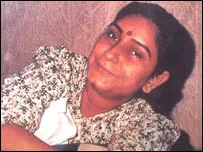
Case Type: Murder and destruction of evidence Country: India Forensic Technique: DNA profiling
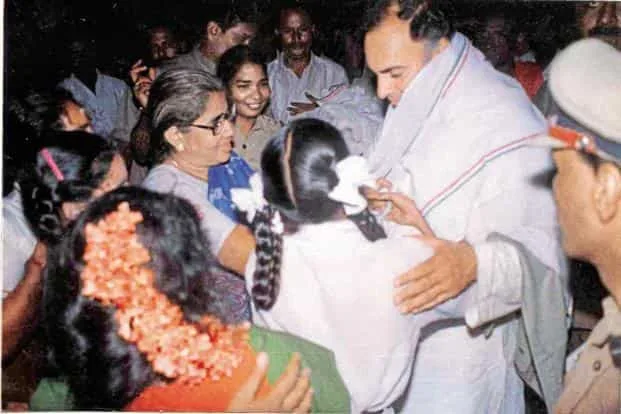
1991 | DNA Identification of Victim and Attacker
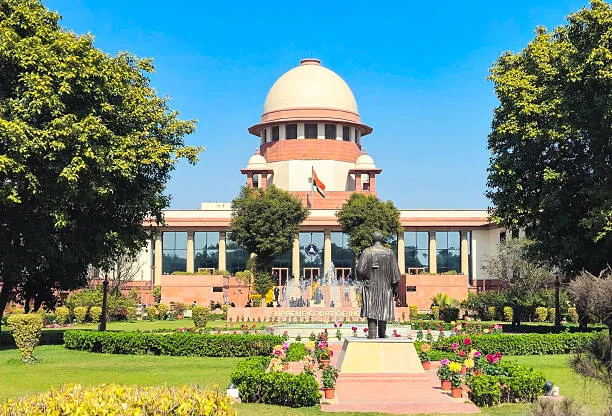
1988 | Early Application of DNA for Human Identification
Case Type: Rape and murder Country: United Kingdom Forensic Technique: DNA profiling