
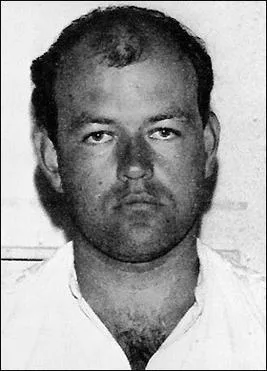
The investigation became a turning point in forensic science because DNA profiling was used to compare biological material recovered from two separate crime scenes. The profiles demonstrated that the same male had been responsible for both murders. When Richard Buckland’s DNA was tested, the results excluded him, despite his confession. This was an important demonstration that forensic science could prevent an erroneous prosecution by scientifically excluding a suspect.
Following Buckland’s exclusion, investigators conducted a large-scale DNA screening exercise involving local men. Pitchfork attempted to avoid providing his own DNA sample and arranged for another person to provide a sample on his behalf. His actions attracted investigators’ attention, and his DNA was eventually obtained and compared with the crime-scene material. The resulting match linked him to the biological evidence. Pitchfork was subsequently convicted of the murders.

The case established a fundamental principle of forensic DNA: DNA evidence can be used both to identify a perpetrator and to exclude an innocent suspect. It helped demonstrate the practical value of DNA profiling in criminal investigations and contributed significantly to its subsequent adoption worldwide.