
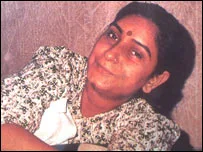
The Tandoor case presented investigators with a classic problem in forensic identification: severe thermal destruction of human remains. Following the murder, attempts were made to burn the body in a tandoor, resulting in extensive damage to the remains. Investigators nevertheless recovered biological material that could be subjected to forensic examination.
DNA profiling was performed on material associated with the remains and compared with reference material from Naina Sahni’s family. The genetic evidence supported the conclusion that the recovered remains belonged to Naina. This was particularly significant because the physical condition of the remains made ordinary identification methods unreliable.
The case demonstrated an important forensic principle: destruction of external anatomical features does not necessarily eliminate the possibility of genetic identification. Depending on the degree of thermal exposure and the biological material available, DNA may survive in protected or less-damaged tissues and skeletal material.
The Tandoor case subsequently became a frequently cited Indian example of DNA’s role in identifying burnt remains and contributed to wider recognition of DNA profiling as an important forensic investigative technology.