
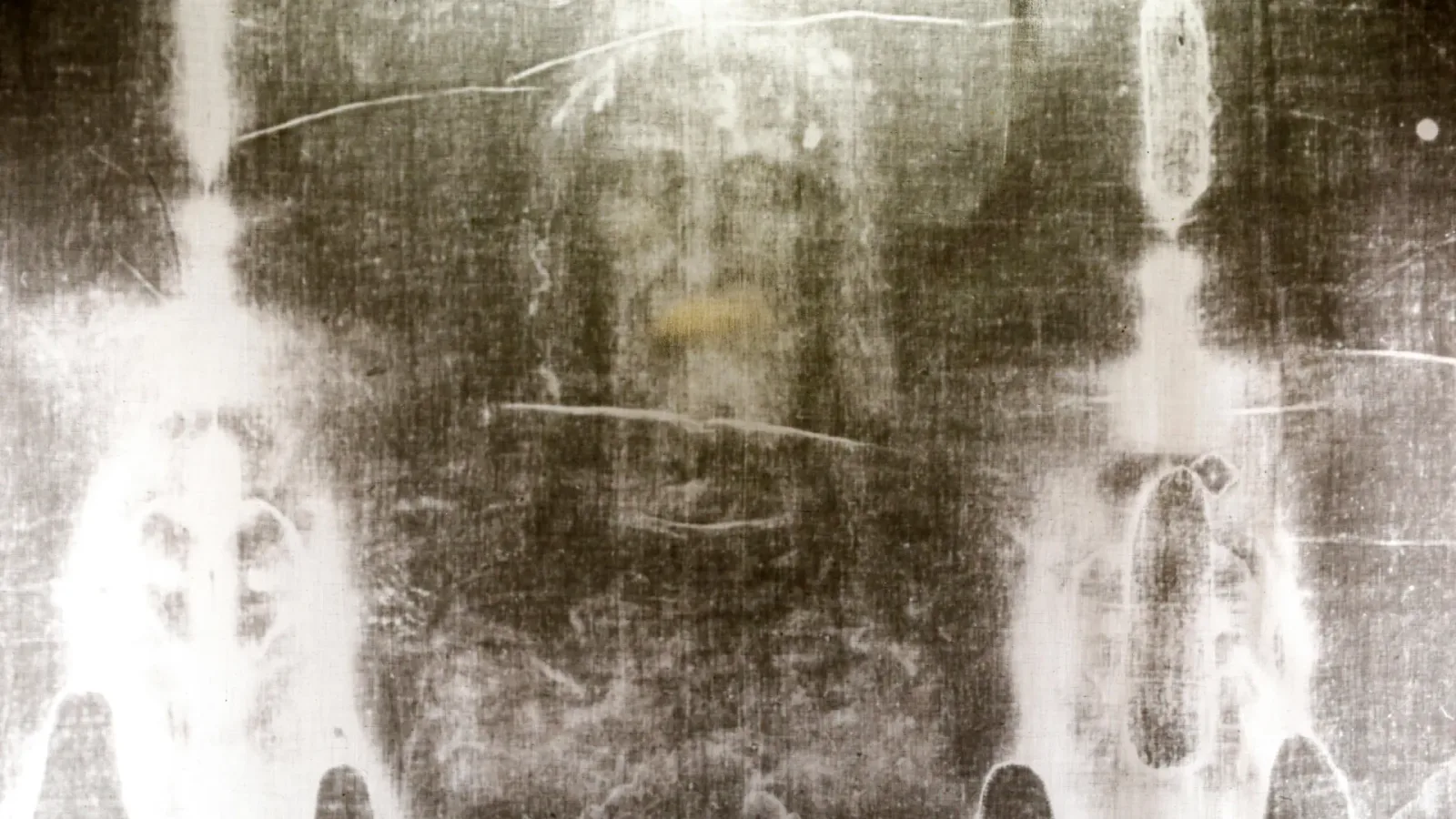
Advanced forensic DNA sequencing has revealed traces of humans, animals, plants and microorganisms preserved in the Shroud of Turin, offering new insights into the centuries-old history of one of the world's most controversial historical artefacts.
Scientists have uncovered an extensive collection of biological traces within the Shroud of Turin through advanced DNA analysis, revealing a complex history of human contact and environmental exposure.
The findings, published in the journal Scientific Reports on November 8, 2026, are based on samples officially collected from the Shroud in 1978. An international research team used advanced next-generation metagenomic sequencing to examine the genetic material preserved within the linen fibres.
The study provides a new scientific perspective on the biological history of the famous cloth.
DNA Analysis Reveals Traces of Multiple Species
Unlike conventional DNA testing, which generally focuses on identifying genetic material from a particular organism, metagenomic sequencing allows researchers to detect DNA from multiple organisms within the same sample.
The analysis identified several types of biological material, including:
- Human DNA: Multiple lineages of mitochondrial DNA, indicating contributions from different human populations.
- Bacterial DNA: Microorganisms commonly associated with human skin and environmental exposure.
- Fungal DNA: Different fungal species preserved within the samples.
- Plant DNA: Genetic traces associated with wheat, carrots, maize, bananas and peanuts.
- Animal DNA: Biological traces linked to cattle, pigs, chickens, dogs and cats.
- Marine biological traces: DNA associated with Mediterranean red coral.
Researchers also identified microorganisms adapted to high-salt environments, including certain archaea.
The diversity of these findings suggests that the Shroud has encountered different biological and environmental conditions throughout its history.
What Does Human DNA Reveal?
One of the significant findings involved the identification of multiple human mitochondrial DNA lineages.
Mitochondrial DNA is inherited primarily through the maternal line and is frequently used in forensic investigations and population studies to examine genetic relationships and ancestry.
The presence of multiple mitochondrial DNA lineages suggests that genetic material from different individuals has accumulated on the cloth over time.
However, because the Shroud has been handled and exposed to various environments over centuries, researchers cannot reliably determine when individual DNA traces were deposited.
Can DNA Prove the Authenticity of the Shroud?
Despite the discovery of extensive biological material, DNA analysis cannot establish the age or authenticity of the Shroud of Turin.
The cloth bears the faint image of a human figure and has long been associated by some religious believers with the burial of Jesus Christ. Its origin and historical significance have remained subjects of scientific and religious debate.
The presence of DNA from different organisms does not establish when those organisms came into contact with the cloth. Some traces may have been deposited relatively recently, while others could reflect older environmental interactions.
Consequently, the findings should not be interpreted as proof of the Shroud's historical or religious claims.
Instead, they demonstrate the potential of advanced genetic technologies to investigate the biological history of historical objects.
Forensic Science Behind the Discovery
The study highlights the application of PCR-free next-generation metagenomic sequencing, a technique that enables researchers to examine complex mixtures of genetic material without relying on conventional targeted DNA amplification.
This approach is particularly valuable when investigating historical artefacts containing biological traces from multiple sources.
The research also demonstrates the broader potential of forensic genomics and proteomics in historical investigations. While genomics examines genetic material, proteomics focuses on proteins that may provide additional information about biological origins and environmental exposure.
Professor Noemi Procopio, Professor of Forensic Science at the University of Lancashire and a member of the research team, highlighted how modern forensic DNA technologies enabled researchers to obtain new information from samples collected almost five decades ago.
She explained that the Shroud represents a rich archive of genetic information accumulated through centuries of human interaction and environmental exposure.
Significance for Forensic Investigations
The research demonstrates how forensic science can extend beyond conventional criminal investigations.
Advanced DNA sequencing can help researchers investigate historical artefacts, identify biological contamination, examine environmental exposure and reconstruct aspects of an object's history.
The ability to recover and analyse genetic material from samples collected decades earlier also highlights the importance of preserving historical biological evidence for future scientific examination.
Although the mystery surrounding the Shroud of Turin remains unresolved, the findings demonstrate how modern forensic technology can uncover previously inaccessible biological information.
The study represents another example of how forensic science is contributing to the investigation of historical mysteries through scientific evidence rather than speculation.
Original research: Gianni Barcaccia et al., DNA signatures preserved in the official 1978 sample collection of the Shroud of Turin, Scientific Reports (2026). DOI: 10.1038/s41598-026-60684-7