
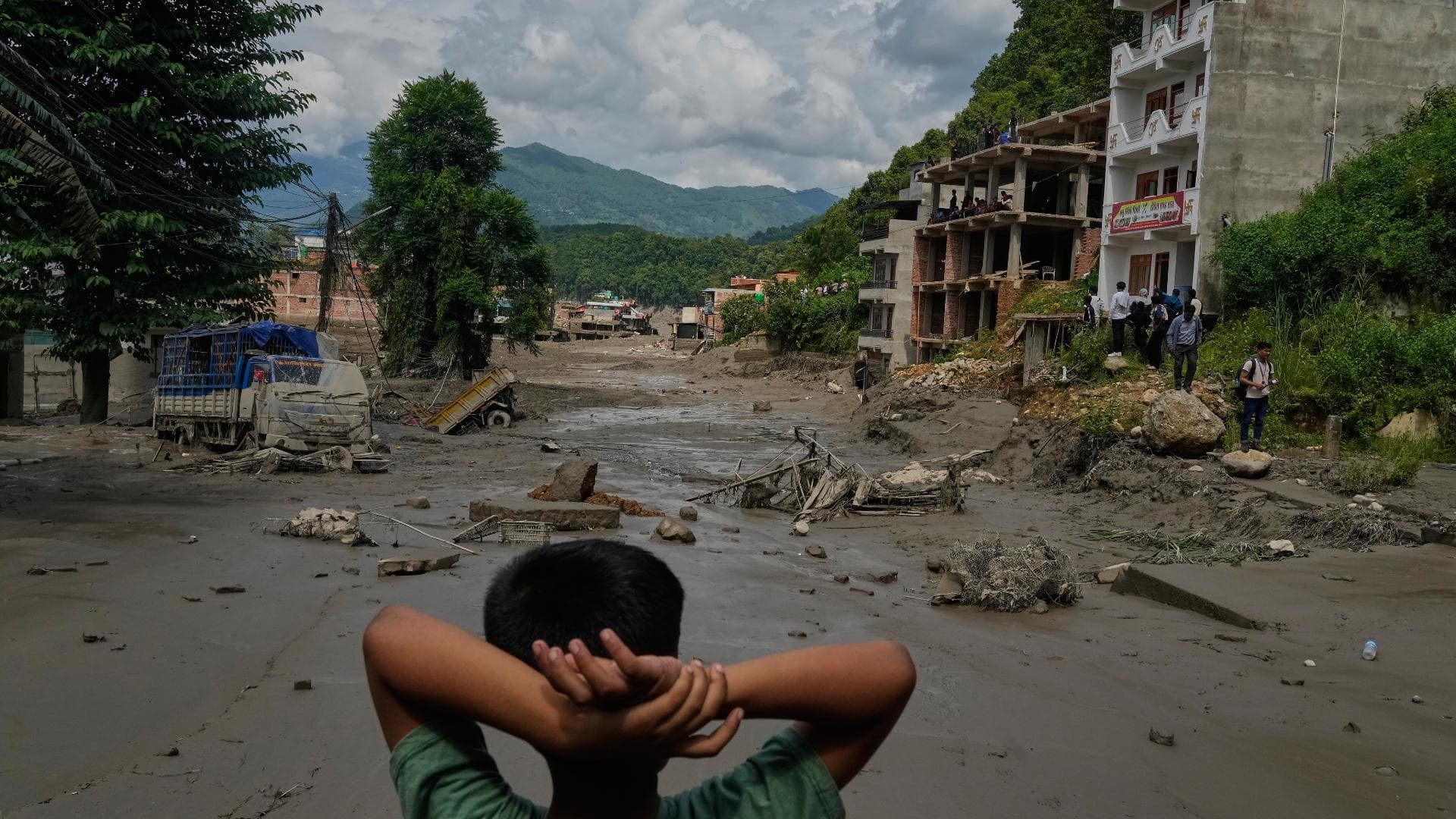
India’s forensic experts have processed more than 1,400 DNA samples in Kathmandu as part of a large-scale humanitarian effort to identify victims of the catastrophic Nepal–Tibet flash floods. The operation, conducted in collaboration with Nepalese authorities, represents one of the region’s most significant disaster victim identification (DVI) missions, where forensic genetics has become central to restoring identities to those lost in the tragedy.
The flash floods, triggered along the Bhote Koshi River on 26 August, caused widespread devastation across the Nepal–China border, claiming hundreds of lives and leaving thousands missing. As rescue operations continue in difficult mountainous terrain, many recovered bodies are severely decomposed or lack visual identifiers, making DNA profiling the most reliable scientific method for confirming identities.
According to official updates, the Indian forensic team has already generated 378 DNA profiles from the collected samples. These profiles are being systematically compared with reference DNA obtained from biological relatives of missing persons. Specialists from India’s forensic institutions are working alongside Nepalese laboratories to ensure internationally accepted identification protocols, including secure sample collection, chain of custody, and genetic matching procedures.
 The identification effort extends beyond Nepal’s borders. Indian authorities have designated forensic laboratories in multiple states to collect DNA samples from first-degree relatives of missing Indian nationals, including pilgrims and tourists affected by the disaster. The samples are transmitted through official channels to Kathmandu, enabling cross-border genetic comparison while providing families with the possibility of receiving confirmed identification of their loved ones.
Forensic scientists note that disaster victim identification is a meticulous scientific process rather than a rapid laboratory test. Every recovered body is documented through photographs, unique identification numbers, biological sampling, and detailed forensic records before DNA analysis is performed. This approach ensures that even victims who cannot be identified immediately may be matched in the future as additional family reference samples become available.
The ongoing mission highlights the growing importance of forensic science in international disaster response. Beyond criminal investigations, DNA technology is proving indispensable in humanitarian operations—helping governments provide accurate identification, legal closure, and dignity to families affected by one of the Himalayan region’s deadliest natural disasters.