
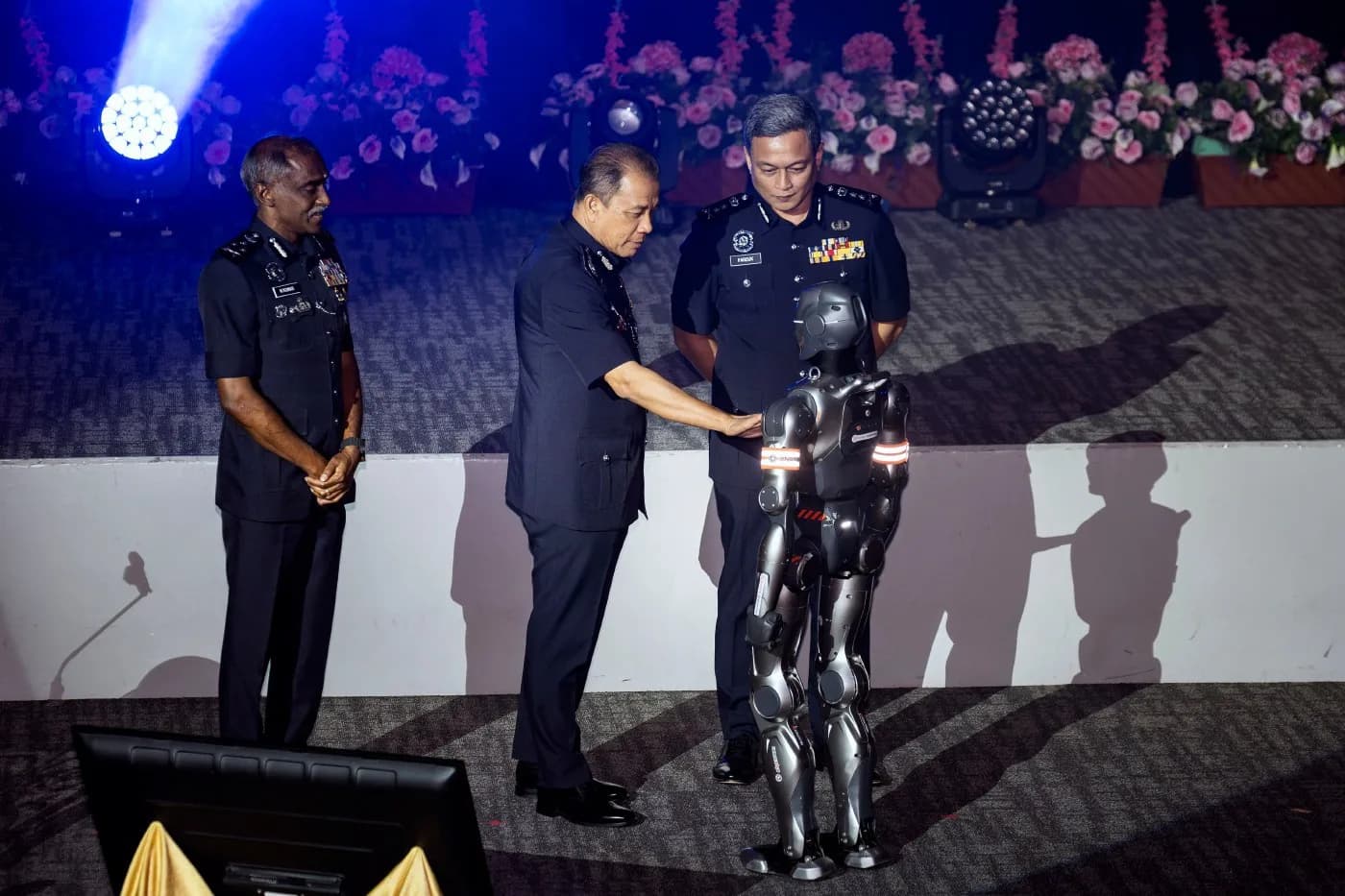
The Royal Malaysia Police (PDRM) has recorded 420 DNA matches through its DNA Analysis Laboratory, including matches connected to serious criminal investigations. The development follows the laboratory’s enhancement under a RM11.1 million allocation through the 12th Malaysia Plan (12MP).
Technology Strengthening Forensic Investigations
Inspector-General of Police Tan Sri Mohd Khalid Ismail said forensic technologies have helped investigators trace leads and identify links between biological evidence and cases. He also highlighted the need for additional logistics, equipment and advanced technologies to further strengthen the police force’s forensic capabilities.
According to PDRM, the 420 DNA matches demonstrate the contribution of advanced forensic equipment and artificial intelligence (AI) applications to investigations. AI-assisted technologies can support the analysis of large volumes of data and help investigators identify potential connections between individuals, cases and crime scenes.
DNA Sample Backlog Remains a Challenge
Despite the progress, the DNA Analysis Laboratory has faced a significant workload. The Malaysian government has recorded a backlog of 297,085 DNA samples processed or awaiting analysis during 2021–2025, highlighting the need to improve laboratory capacity and processing efficiency.
To address this challenge, the government has created flexible analyst positions at the PDRM DNA Analysis Laboratory. The measure is intended to strengthen biological-material analysis while maintaining compliance with international standards.
AI and the Future of Forensic Science
The developments were highlighted during the 7th National Forensic Science Symposium for Law Enforcement (NAFSLE) 2026, held in Kuala Lumpur under the theme “Forensic AI: Connecting the Dots.”
Mohd Khalid encouraged law-enforcement personnel to view AI as a strategic component of forensic investigations rather than merely an auxiliary tool. He noted that AI has the potential to accelerate data analysis and improve the identification of links between cases, individuals and crime scenes, while its use must remain subject to established procedures and integrity requirements.
The two-day symposium brought together more than 300 participants, with eight invited speakers from government agencies and academic institutions, alongside exhibitions featuring forensic technology and scientific equipment from Malaysian and international suppliers.
The event also saw the presentation of the Forensic DNA Databank Malaysia (FDDM) Hits of the Year Award to three recipients whose DNA matches contributed to criminal investigations in Selangor, Negeri Sembilan and Perak.