
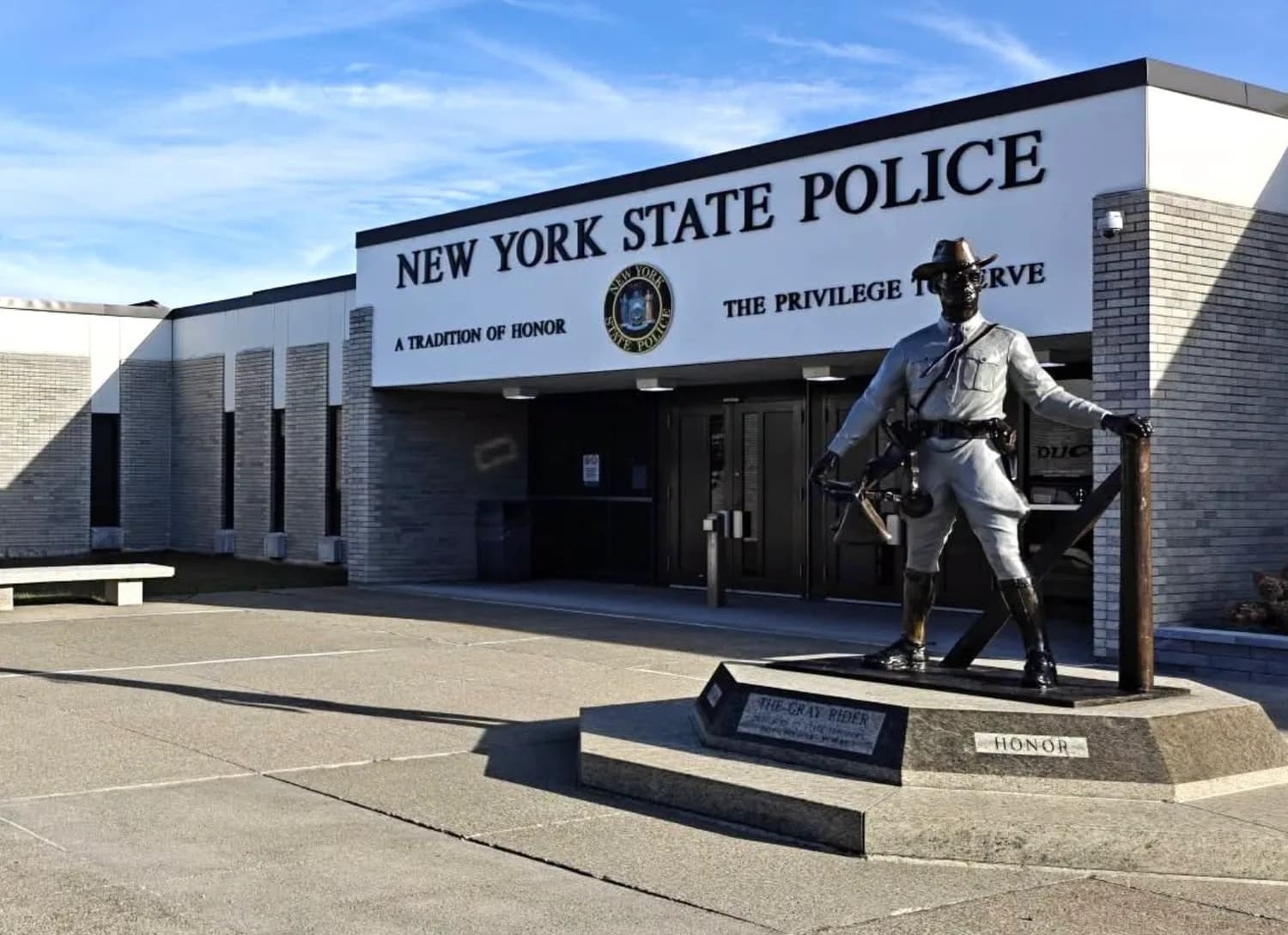
New York: A group of public defender organisations in New York is urging the state to reject a police request to conduct advanced DNA testing within state laboratories, citing concerns over privacy, constitutional rights and the absence of clear regulations governing the technology.
The request, submitted by the New York State Police to the New York State Commission on Forensic Science, seeks approval to use single nucleotide polymorphism (SNP) testing. Unlike conventional short tandem repeat (STR) analysis, SNP testing can examine highly degraded DNA samples and reveal additional genetic information, potentially helping investigators generate leads in previously unsolved criminal cases.
The technology can also facilitate forensic investigative genetic genealogy (FIGG), which uses genetic information and family-tree analysis to identify potential relatives of an unknown DNA contributor. Investigators can use these connections to narrow down suspects in cold cases. The method has attracted attention following its use in high-profile investigations, including the Gilgo Beach serial killings.
However, public defenders, including representatives of The Legal Aid Society, Brooklyn Defenders and New York County Defender Services, argue that the technology should not be introduced into state police laboratories without a comprehensive legal and regulatory framework. They warn that SNP testing may reveal sensitive information about a person’s ancestry, potential health-related traits and biological relatives, including family members who are not connected to the alleged crime.
The defence organisations also highlight the risk of investigative misuse and the possibility that an incorrect lead could expose innocent individuals to police scrutiny. Unlike traditional STR testing, which is subject to established limitations on the genetic information examined, SNP testing raises broader questions about data access, retention, privacy and the use of genetic information obtained from public databases.
The debate also reflects the potential benefits of the technology. Law enforcement agencies argue that in-house SNP testing could help resolve cold cases and identify victims or perpetrators who have remained unknown for years. Crime victims and their families have also expressed support for the method, while emphasising the importance of appropriate oversight.
The New York State Commission on Forensic Science was scheduled to consider the police request at a hearing on October 9, 2026. The dispute highlights a significant challenge for modern forensic science: balancing the investigative potential of advanced DNA technologies with privacy protections, due process and safeguards against wrongful suspicion.