
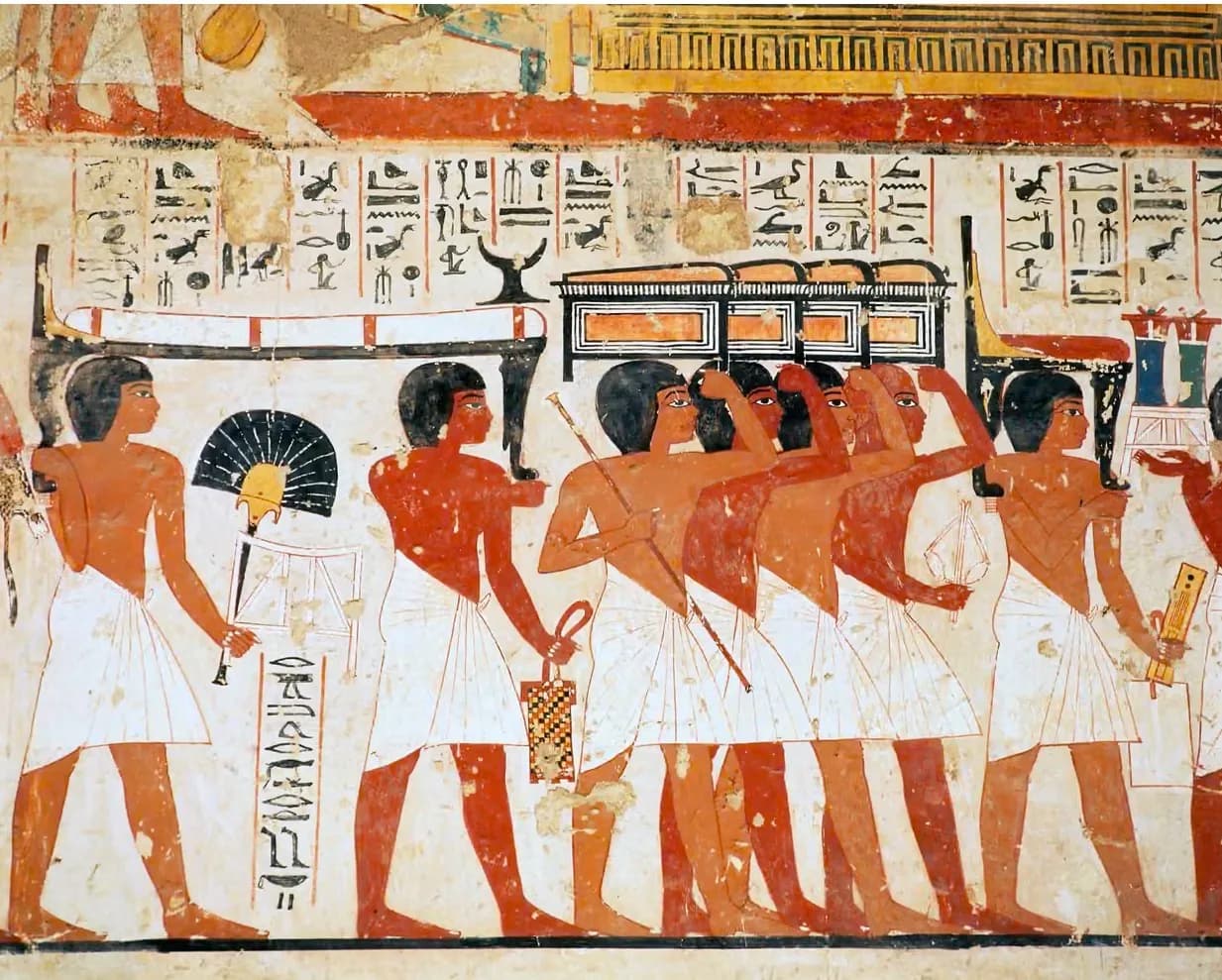
Modern forensic analysis of 5,000-year-old skulls has provided new evidence that some people buried alongside Egypt’s earliest kings may have been deliberately killed as part of ancient funerary practices.
Researchers re-examining human remains from the royal cemetery of Umm el-Qa’ab near Abydos, Egypt, have identified signs of severe head trauma that appear to have occurred around the time of death. The findings provide new support for a theory first proposed more than a century ago by British archaeologist Flinders Petrie.
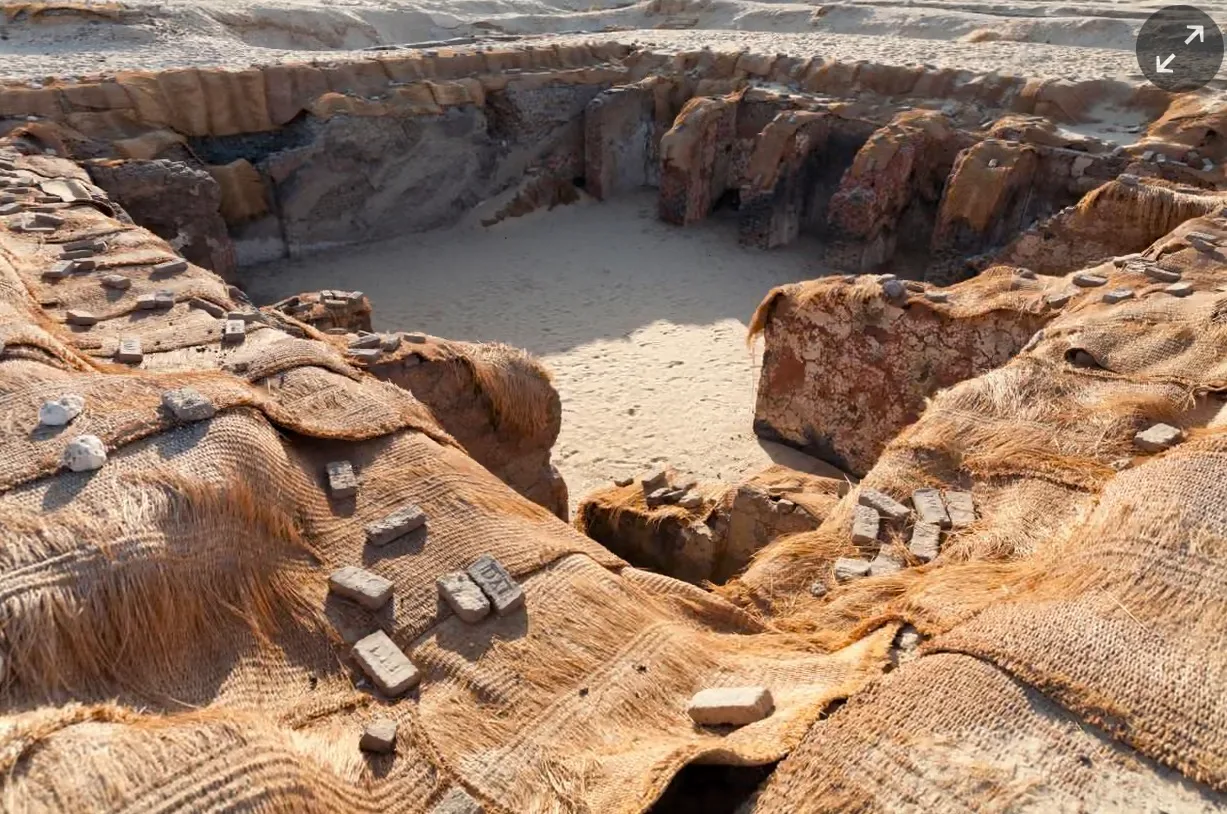
The cemetery contains the tombs and funerary complexes of Egypt’s First Dynasty rulers, dating to around 3000 BC. Surrounding the royal structures are hundreds of smaller burials believed to belong to members of the royal household, including officials, artisans, seal-bearers and inspectors.
A Century-Old Mystery Revisited
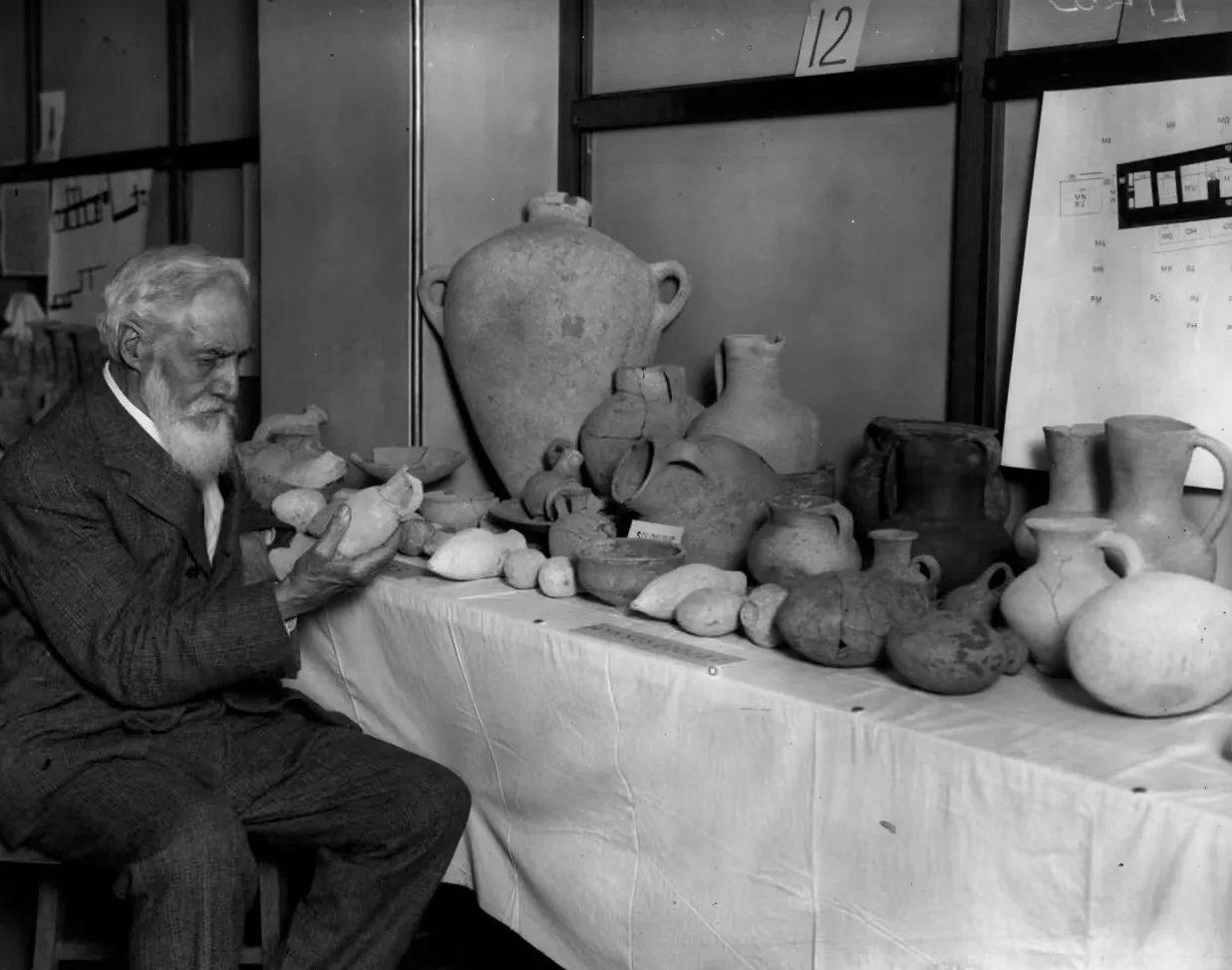
When Petrie excavated the site in the 1920s, he noticed that large numbers of people had been buried around the royal tombs. The unusual concentration of burials led him to suggest that some of these individuals may have been retainer sacrifices—people killed following the death of a ruler so that they could continue serving the king in the afterlife.
However, Petrie could not establish how these individuals had died. The absence of obvious fatal injuries left the theory unresolved for decades.
A new investigation led by bioarchaeologist Dr Roselyn Campbell of Purdue University revisited some of the surviving remains using modern forensic and bioarchaeological techniques.
Forensic Examination Reveals Cranial Trauma
Campbell examined 46 skulls recovered from the ancient burial site and preserved in the Duckworth Collection at the University of Cambridge.
Of these, 18 skulls showed significant cranial trauma. Many of the injuries were linear fractures that appear to have occurred around the time of death, rather than being damage caused long after burial.
According to the researchers, these injuries could have caused rapid unconsciousness, internal bleeding and death. Some of the skulls also showed evidence of sharp-force trauma, including a particularly severe injury involving the eye region.
The pattern of injuries provides an important forensic clue. Researchers noted that the fractures do not necessarily resemble the depressed fractures expected from a mace strike, meaning the exact weapon or method used remains uncertain.
What Happened to the Servants?
The findings strengthen the possibility that at least some of the people buried around the royal tombs were victims of deliberate violence.
However, researchers caution that the evidence does not establish that every individual buried at the site was sacrificed. Only 46 skulls were available for examination, representing a fraction of the people originally buried around the royal complexes.
Some individuals may have died naturally, while others could have been killed through methods that leave little or no evidence on the skeleton, such as suffocation.
The study therefore does not completely resolve the mystery—but it demonstrates how modern forensic techniques can extract new evidence from archaeological remains examined generations ago.
Forensic Science Reopens an Ancient Cold Case
The research highlights the growing importance of forensic bioarchaeology, where methods traditionally used to investigate modern deaths are applied to ancient human remains.
In this case, injuries that earlier investigators may have interpreted as post-burial damage can now be reassessed as possible perimortem trauma, changing the interpretation of a century-old archaeological mystery.
The evidence offers a striking example of how forensic science can reconstruct events that occurred thousands of years ago—and potentially reveal violence hidden within the burial practices of one of the world’s earliest civilizations.