
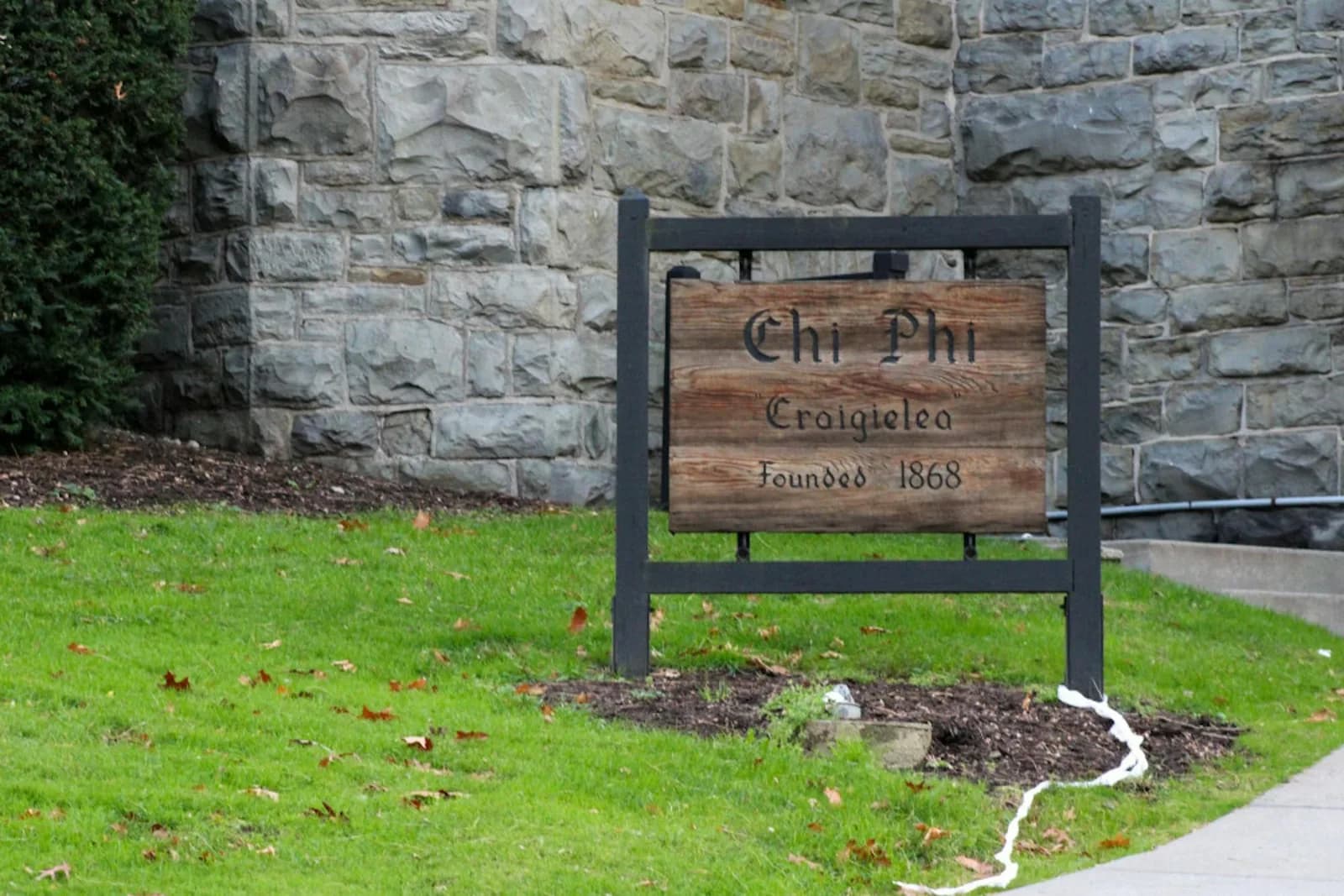
A high-profile sexual assault case involving Cornell University's Chi Phi fraternity has been reopened by prosecutors in New York, nearly two years after the alleged incident first came under investigation. The renewed inquiry follows a civil lawsuit filed by the survivor, introducing new allegations that prompted authorities to reassess the case.
The matter will now be presented before a grand jury to determine whether criminal charges should be pursued against seven former and current fraternity members. Prosecutors have stated that the allegations described in the civil complaint differ from the survivor's original police statement, making a fresh evaluation of the available evidence necessary.
Why forensic evidence is central
The case highlights the vital role of forensic science in delayed sexual assault investigations. Investigators are expected to re-examine biological evidence, DNA findings, toxicology reports, surveillance footage, digital communications, and electronic records alongside witness testimony to reconstruct the sequence of events.
Digital forensic analysis may prove especially important, as the lawsuit alleges that messages were exchanged within a fraternity group chat during the incident. If authenticated, these records could help establish timelines, identify individuals involved, and corroborate or challenge witness accounts.
University response
Cornell University has confirmed that it previously conducted internal investigations through its student conduct and civil rights procedures. The university also stated that the Chi Phi fraternity chapter remains barred from campus, while individual disciplinary records remain confidential under privacy laws.
Investigation continues
The reopening of the Cornell case demonstrates how new testimony, civil litigation, and forensic re-examination can reshape criminal investigations long after an alleged crime. The grand jury's review will determine whether the available evidence supports criminal prosecution, and the investigation remains ongoing.