A vulnerability discovered by forensic researchers has revealed that DNA evidence files generated by widely used laboratory technology could potentially be modified without detection, raising questions about digital evidence security and the reliability of forensic data.
A Research Collaboration Uncovers a Critical Vulnerability A security vulnerability in commonly used DNA analysis technology has raised concerns about the protection and integrity of forensic DNA evidence stored in digital formats.
The discovery was made through a research collaboration involving Dr. Laura Gaydosh Combs, a professor in the Forensic Science Department at the University of New Haven, and Nathan Adams, a systems engineer associated with Forensic Bioinformatic Services.
Their collaboration began after they met at the 2025 American Academy of Forensic Sciences (AAFS) meeting in Baltimore, United States. Their discussions about software verification, validation and forensic data security eventually led to an investigation into the vulnerabilities of DNA analysis systems.
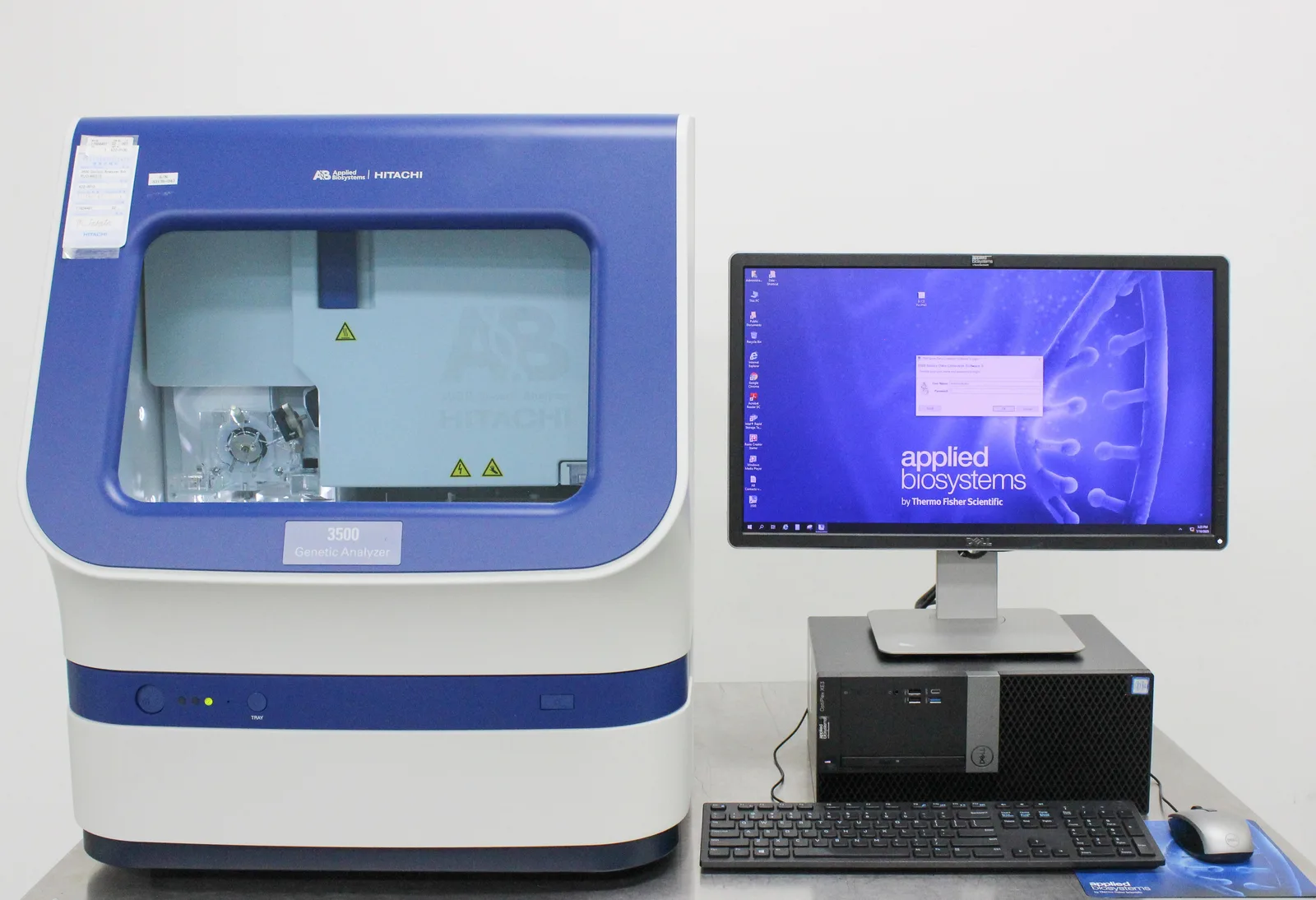
The research identified a security weakness in technology manufactured by Thermo Fisher Scientific, which is commonly used in forensic laboratories.
DNA Evidence Files Could Be Modified Without Detection
The researchers found that digital DNA evidence files, including .hid and .fsa formats, could potentially be altered without leaving an immediately detectable indication of tampering.
These file formats are widely associated with DNA analysis workflows. The vulnerability is particularly concerning because instruments capable of generating such files have been in use since the mid-1990s, meaning historical datasets held by forensic laboratories, research institutions and medical testing facilities could also require security assessment.
According to the researchers, the vulnerability may have existed for years. However, the development of generative artificial intelligence has made exploiting such technical weaknesses considerably easier.
Generative AI Lowers the Barrier to Evidence Tampering
One of the most significant aspects of the discovery is the role of generative AI in demonstrating the vulnerability.
The researchers explained that exploiting the weakness previously required specialised technical knowledge, familiarity with the relevant file formats and potentially programming skills.
However, with the assistance of Anthropic's AI tool Claude, the process that previously took approximately 45 minutes could be completed in around three minutes through conversational interaction.
The research therefore highlights an emerging cybersecurity concern: generative AI can reduce the technical expertise required to exploit weaknesses in specialised forensic software.
Dr. Combs emphasised that the problem should not be dismissed simply because exploiting the vulnerability was previously difficult. Instead, the underlying security weakness needs to be addressed.
Thermo Fisher Issues Security Update
The researchers reported the vulnerability in May 2026. In response, Thermo Fisher Scientific issued a security bulletin on 31 July 2026, acknowledging the weakness and identifying it as CVE-2026-17583.
The company classified the vulnerability as High severity, assigning it a CVSS v4.0 score of 8.2.
Thermo Fisher also released software updates incorporating digital signatures to help users verify that DNA data files have not been modified. The updates cover several Applied Biosystems platforms, including the 3500/3500xL, 3730/3730xL, SeqStudio, SeqStudio Flex and GeneMapper ID-X systems. Thermo Fisher Documents
The company recommended additional security measures, including encrypted storage, restricted file access, limited user permissions and network access controls.
Importantly, Thermo Fisher stated that it had no knowledge of the vulnerability being exploited to affect actual forensic casework at the time of its security notice.
Challenges in Detecting Historical Evidence Tampering
Despite the release of security enhancements, significant challenges remain.
The research team has not yet identified a reliable method to detect whether previously generated DNA files have been modified. There is also no established authentication process for data produced before the implementation of the software updates.
This creates an important question for forensic laboratories: how can the integrity of historical DNA evidence be independently verified when the original digital files may not have adequate tamper-detection mechanisms?
Dr. Combs and her collaborators have encouraged forensic professionals, cybersecurity researchers and laboratory experts to examine their findings and help identify reliable indicators of file manipulation.
The researchers continue to investigate the issue and are working towards better methods of identifying and preventing unauthorised modifications to forensic DNA data.
Forensic Perspective: Why This Discovery Matters
The discovery highlights an often-overlooked dimension of forensic science: the integrity of digital evidence does not depend solely on how evidence is collected and analysed, but also on how its underlying data is stored, transferred and protected.
DNA evidence is frequently regarded as highly reliable in criminal investigations. However, the reliability of a DNA profile or analytical result also depends on the authenticity of the digital data from which it was generated.
If forensic data can be modified without detection, it may create challenges for evidence authentication, expert testimony and the evaluation of scientific evidence during criminal proceedings.
The issue also reinforces the importance of maintaining digital chain of custody, implementing cryptographic verification mechanisms, conducting regular software security assessments and preserving original forensic data.
As forensic laboratories increasingly depend on digital technologies and AI-assisted workflows, cybersecurity must become an integral component of quality assurance and evidence management.
The findings serve as a reminder that the credibility of forensic science depends not only on scientific accuracy but also on the security and integrity of the systems supporting it.