
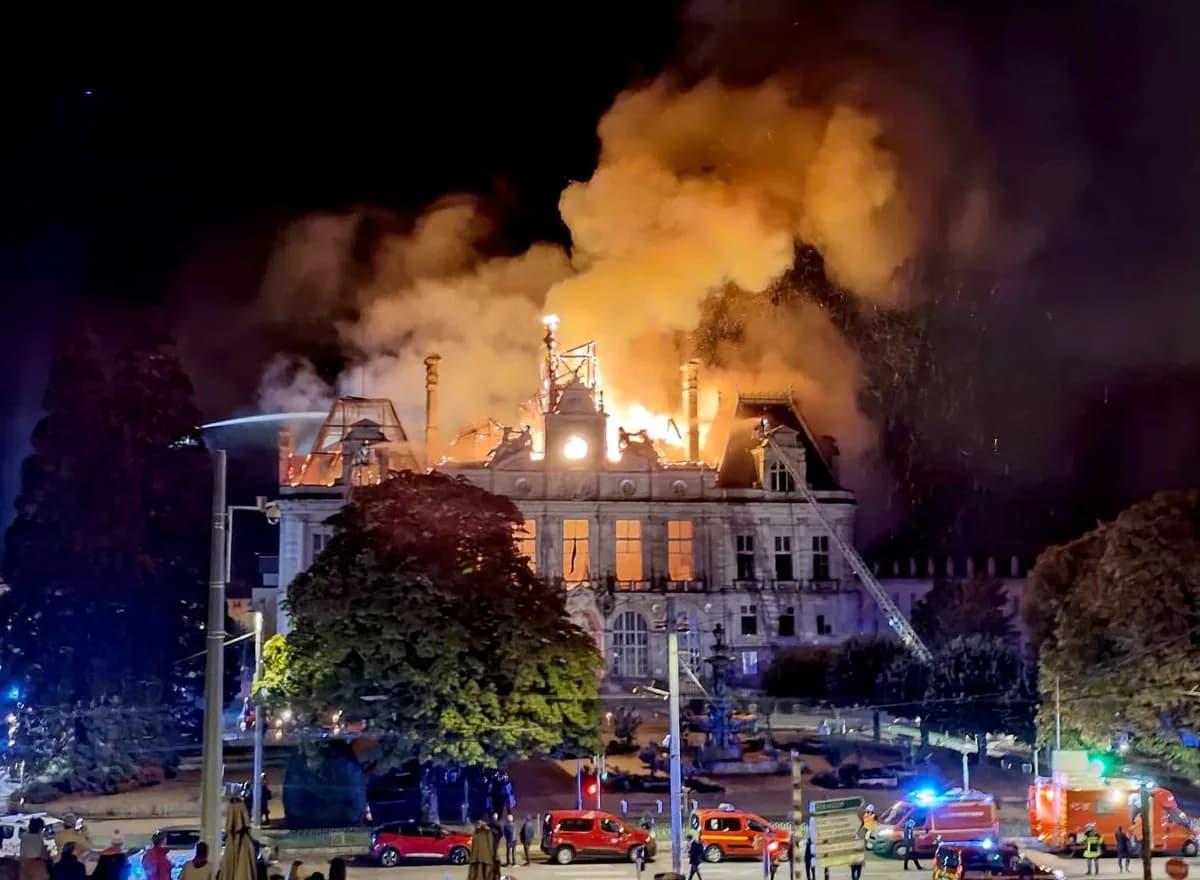
A wave of protests has spread across several European countries, with rising living costs, unaffordable housing, concerns over education, declining public services and allegations of political corruption emerging as major sources of public frustration.
Demonstrations in France, Italy and Albania have witnessed clashes and violence, while housing protests and makeshift protest camps have emerged in Spain and Portugal. The growing unrest reflects mounting economic and social pressures, particularly among young people struggling with financial insecurity and uncertainty about their future.
Education Crisis and Living Costs Trigger Protests in France
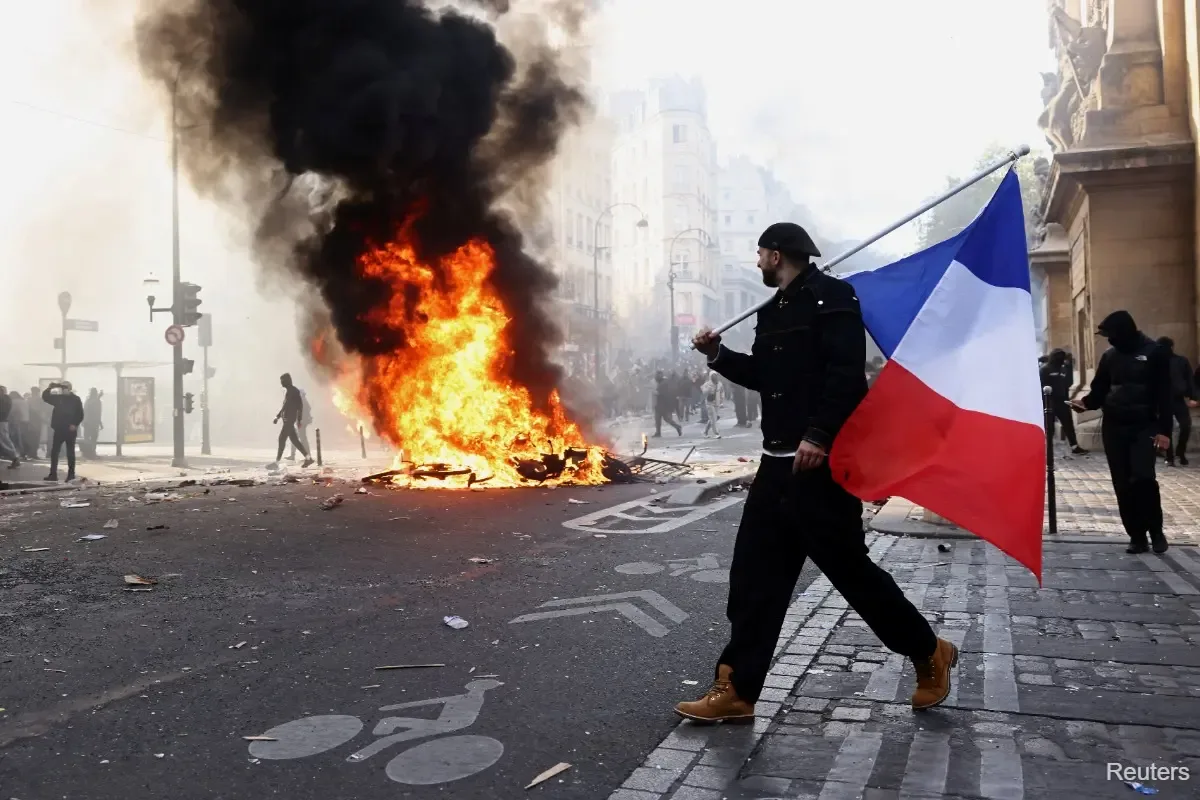 In France, students have been demonstrating for weeks against deteriorating school infrastructure, teacher shortages and inadequate educational resources, particularly in disadvantaged communities. The movement has expanded as labour unions and other groups have joined demonstrations demanding relief from rising household expenses and improvements in public services.
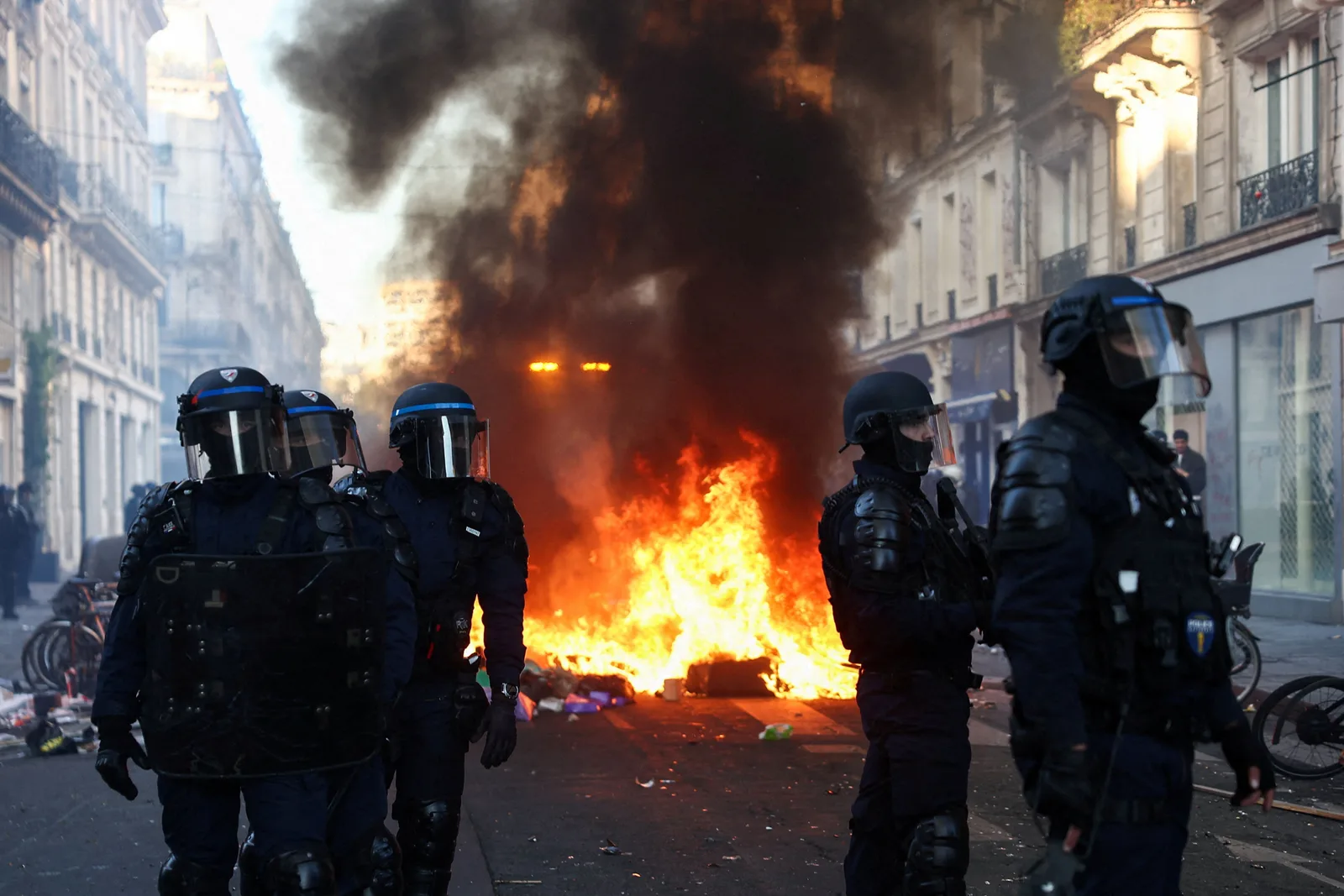
Although many demonstrations have remained peaceful, some have escalated into clashes, vandalism and looting. French authorities have responded to the unrest, while President Emmanuel Macron has condemned attacks on public buildings and law enforcement personnel.
Housing Affordability Becomes a Major Issue in Spain and Portugal
 The housing crisis has become a central issue in Spain, where protesters are demanding stronger tenant protections, rent relief and measures to address rising accommodation costs. Demonstrations intensified following the eviction of an elderly woman in Madrid, whose case became a symbol of growing concerns over housing insecurity.
Similar concerns have prompted demonstrations in Portugal, particularly in Lisbon and Porto, where rising property prices and rents have placed increasing pressure on residents. In Spain, teachers have also launched strikes over pay and working conditions, adding to broader public dissatisfaction.
Italy Sees Demonstrations Over Economic Pressure
In Italy, protesters have taken to the streets over inflation, low wages and concerns about the quality of public services. While demonstrations have highlighted widespread economic grievances, some gatherings have turned violent, with reports of clashes between demonstrators and police in cities including Milan and Turin.
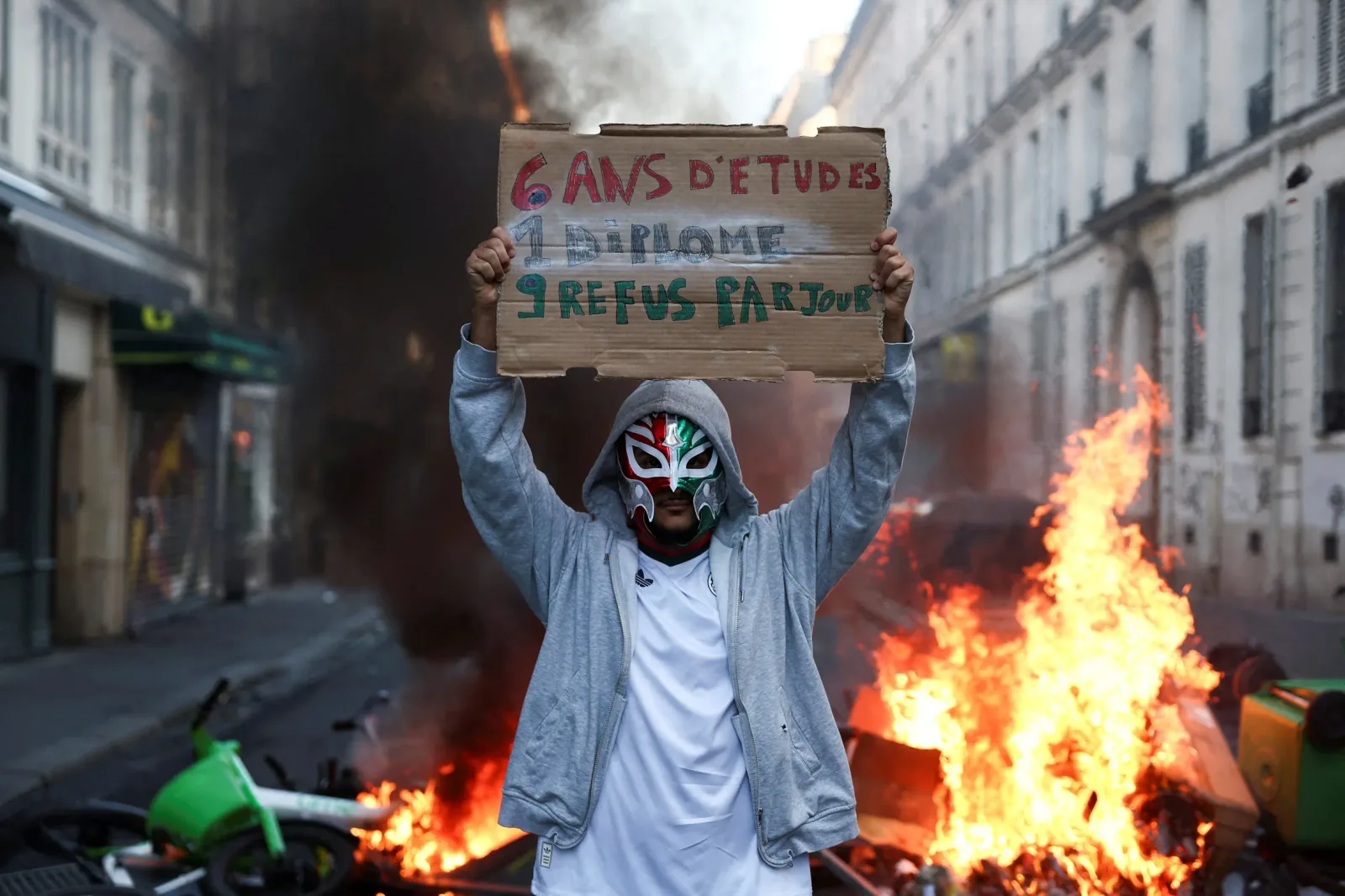
The unrest has renewed attention on the challenges facing households as they cope with increasing expenses and uncertainty over economic prospects.
Anti-Government Protests Intensify in Albania
In Albania, demonstrations against Prime Minister Edi Rama have intensified amid allegations of corruption, limited employment opportunities and dissatisfaction with public services. The protest movement, which began earlier in the year, gained further momentum as students and other demonstrators joined calls for political accountability and improved living conditions.
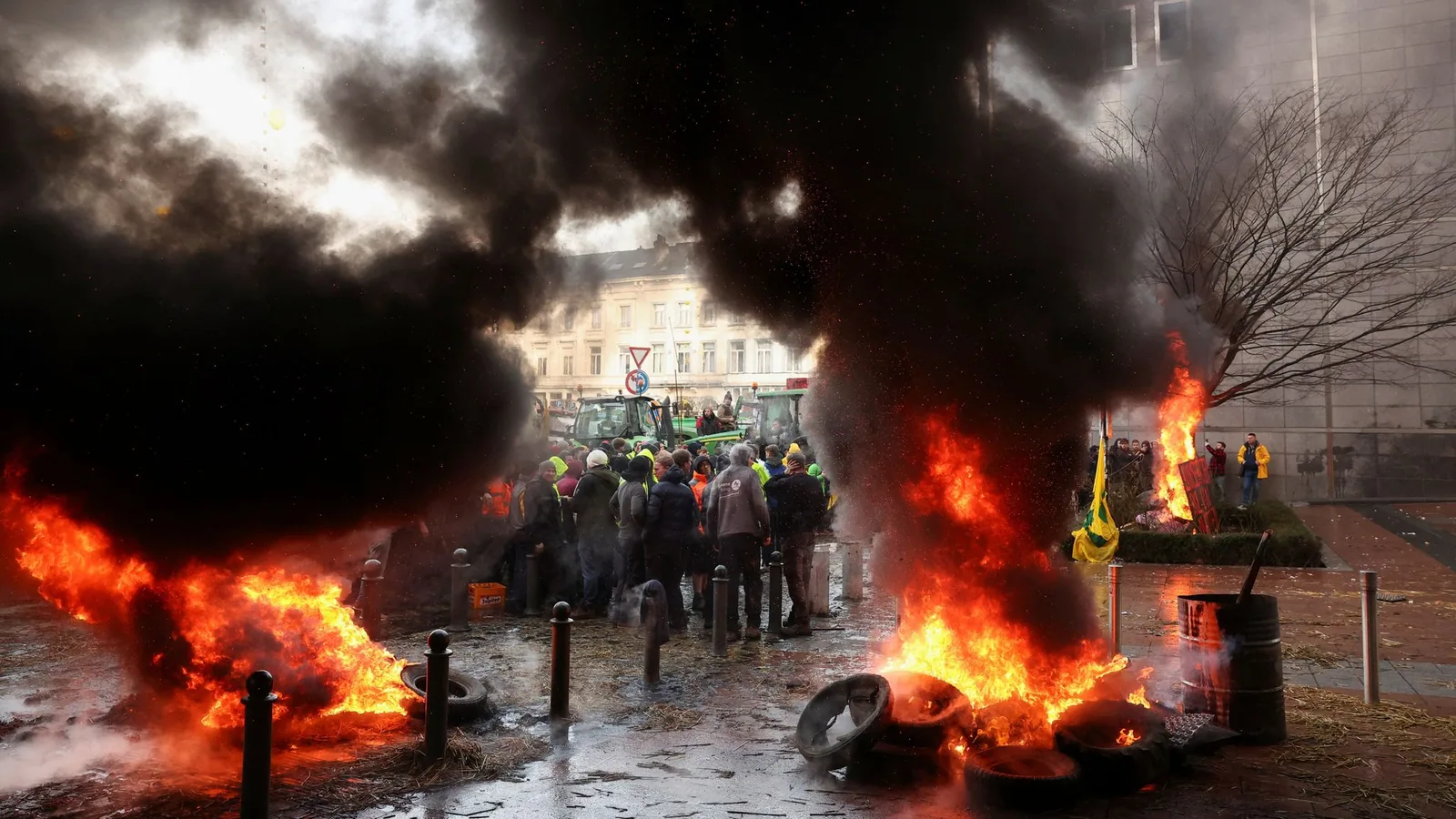 Some recent demonstrations in the capital, Tirana, have resulted in clashes, damage to property and injuries, marking an escalation in the movement.
A Wider Challenge for European Governments
Although the demonstrations share common concerns about economic insecurity and public services, their immediate causes differ from country to country. Education and fuel costs have featured prominently in France, housing affordability has driven protests in Spain and Portugal, and corruption allegations have played a significant role in Albania.
The unrest also comes at a politically sensitive time, as several European countries face electoral pressures and growing divisions over economic policy and governance.
The scale of the demonstrations highlights the challenges confronting governments seeking to address public grievances while maintaining public order. Whether policy changes can ease the frustration remains uncertain, as protesters continue to demand more affordable living conditions, stronger public services and greater accountability from political leaders.