
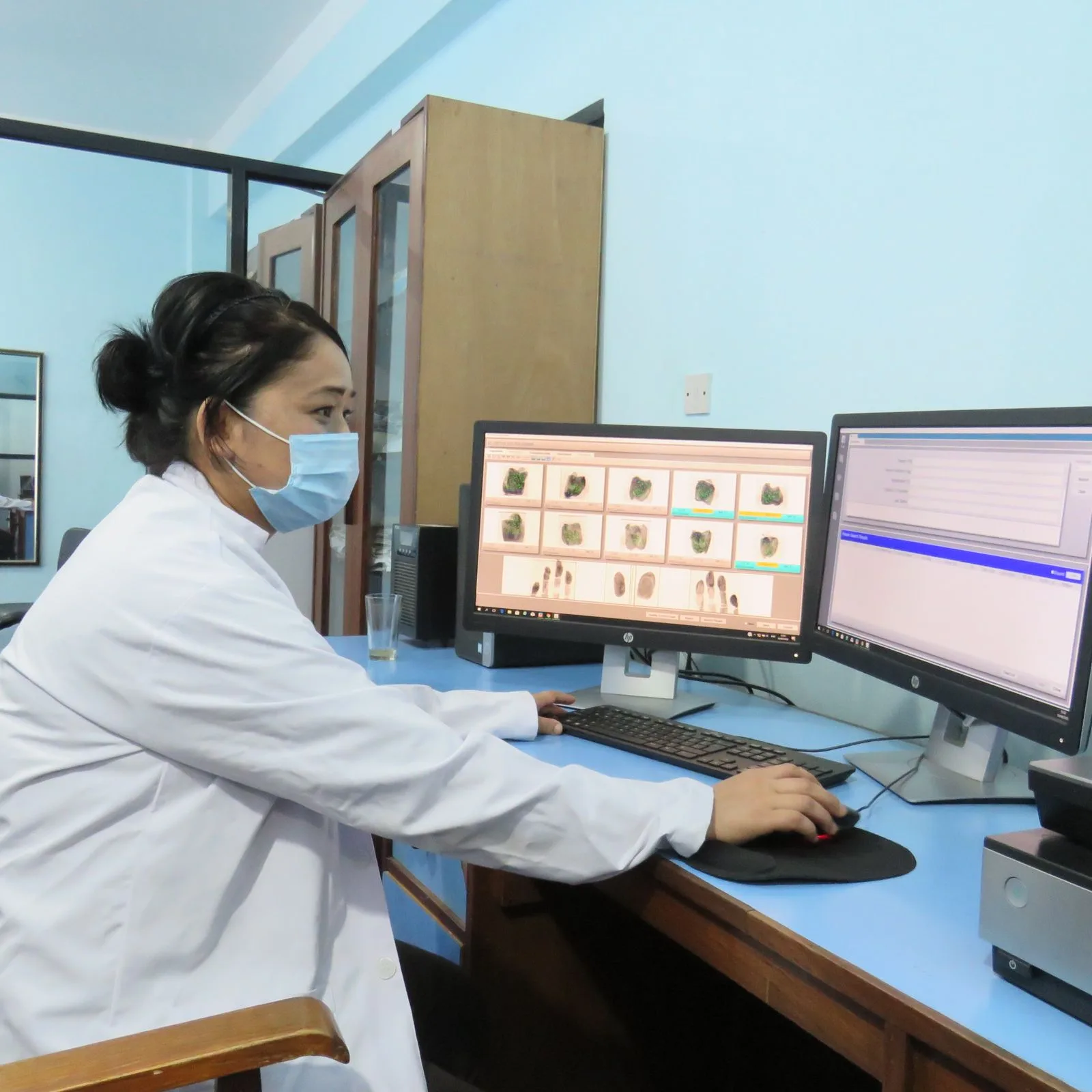
A global forensic mission unfolding in Nepal
In the aftermath of the devastating 2026 Himalayan floods, Nepal's modest forensic laboratories have become the center of one of the largest disaster victim identification (DVI) operations in South Asia. Human remains recovered from rivers and debris fields belong to victims from more than 30 countries, making DNA analysis the primary scientific tool for restoring identities and providing closure to families.
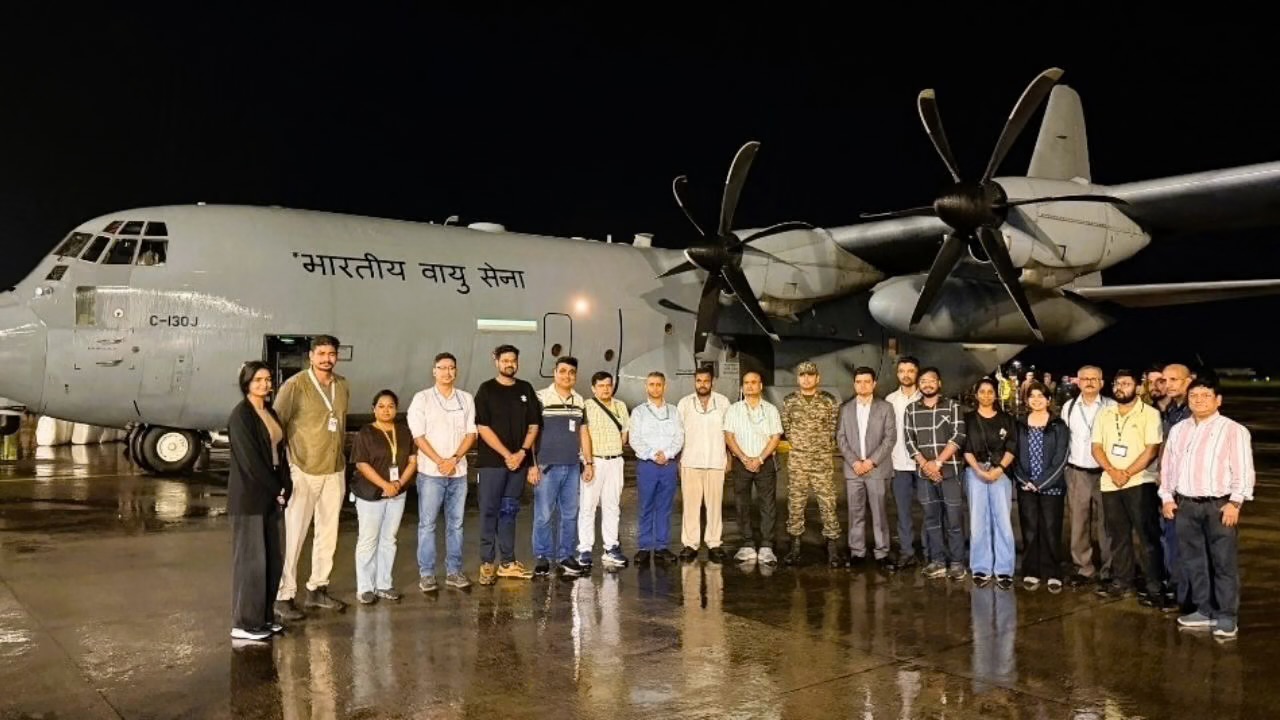 The catastrophe, triggered by a massive glacier and rock collapse near the Nepal–China border, has claimed over 1,400 lives, while thousands remain missing. Many of the victims were pilgrims, tourists, migrant workers, and local residents swept away by powerful floodwaters that carried bodies hundreds of kilometers downstream.
Why DNA has become indispensable
Traditional methods of identification—such as facial recognition, fingerprints, clothing, and personal belongings—have proven ineffective for many recovered bodies due to decomposition and prolonged exposure to water. As a result, forensic experts are relying heavily on DNA profiling to establish the identities of victims.
The forensic identification process includes:
- Collection of DNA from recovered human remains
- Reference DNA sampling from biological relatives in Nepal and abroad
- Comparative DNA profiling to establish biological matches
- Scientific documentation for legal identification and issuance of death certificates This collaborative effort allows families across multiple countries to submit DNA samples and assist investigators in confirming the identities of their loved ones.
Small laboratories facing an unprecedented challenge
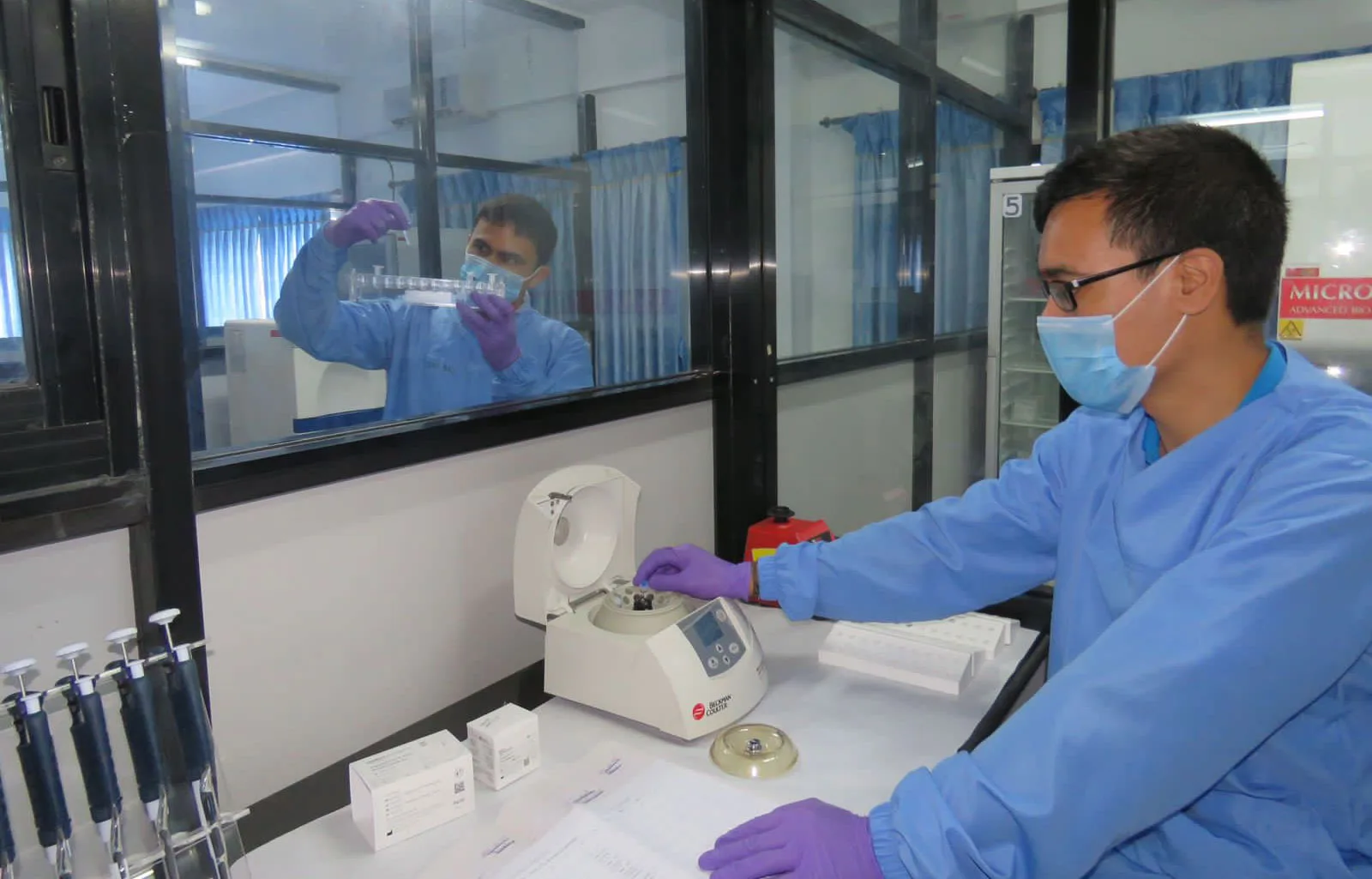 Nepal's forensic DNA facilities normally handle a relatively limited number of cases each year. Following the floods, however, laboratories received thousands of biological samples within weeks, creating an extraordinary workload for forensic scientists.
Despite limited infrastructure and personnel, experts continue working extended hours to preserve biological evidence, maintain chain of custody, and ensure every DNA profile meets scientific standards. Their dedication highlights the crucial role of forensic laboratories during large-scale humanitarian disasters.
Beyond science: Restoring identity and justice
For grieving families, forensic identification is far more than a laboratory procedure—it provides legal recognition, enables religious and cultural last rites, supports inheritance and insurance claims, and offers emotional closure after an unimaginable tragedy. The Nepal floods demonstrate the growing importance of Disaster Victim Identification (DVI), international DNA collaboration, and stronger investment in forensic infrastructure as climate-related disasters become increasingly frequent across the Himalayan region.