
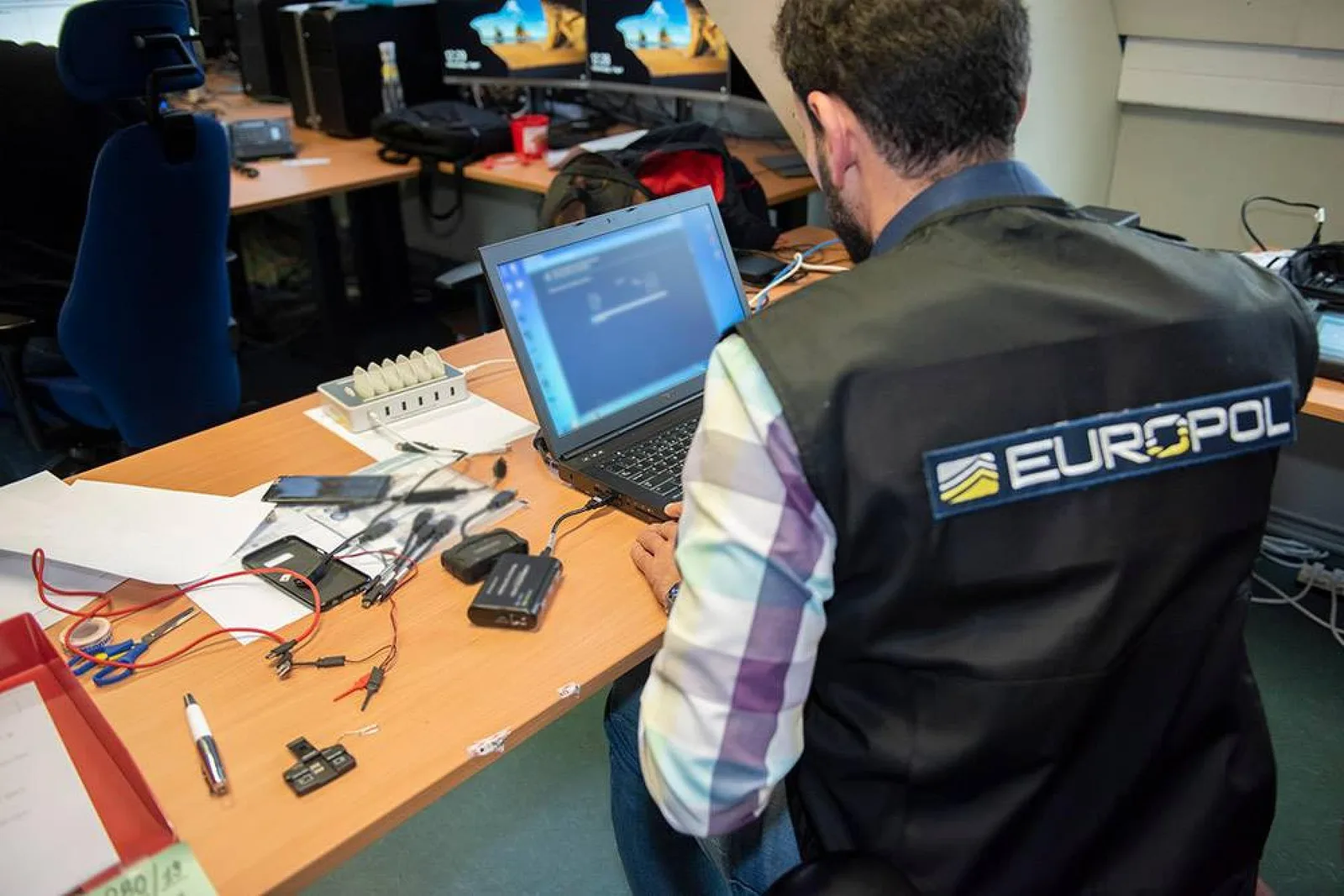
Europol and the European Commission have released a new report examining gaps in digital forensic capabilities across European Union (EU) member states. The report highlights challenges involving forensic technology, specialist expertise, digital evidence analysis and cross-border cooperation, while recommending measures to strengthen law enforcement investigations.
Titled Digital Forensics: Gap Analysis, the report examines whether European law enforcement authorities have the necessary tools, resources and skills to investigate crimes in an increasingly digital environment.
Growing Complexity of Digital Evidence
Digital evidence recovered from smartphones, cloud storage, connected vehicles and Internet of Things (IoT) devices is becoming increasingly important in criminal investigations. However, extracting and analysing this information can be difficult due to encryption, complex data storage systems and rapidly evolving technologies.
The report identifies significant differences in digital forensic capabilities among EU member states. Expensive commercial tools, limited technical resources and a shortage of trained specialists can restrict investigative capacity. Incompatible data formats and inconsistent testing practices also make it difficult for authorities to exchange and compare forensic findings across national borders.
Report Recommends Standardisation and Shared Resources
To address these challenges, the report recommends improving compatibility between digital forensic tools and establishing consistent testing and validation practices. Greater cooperation with technology manufacturers could also help investigators understand and extract data from devices more effectively.
The report further emphasises the potential benefits of shared forensic platforms, common testing environments and coordinated technology development. Such measures could help authorities use available resources efficiently, reduce duplication and improve cooperation during cross-border investigations.
Training is another key priority. Investigators, forensic specialists, prosecutors and members of the judiciary require appropriate technical knowledge to ensure that digital evidence is collected, analysed and interpreted reliably.
AI in Digital Forensics Requires Transparency
Artificial intelligence (AI) can assist investigators in processing large datasets, automating certain analytical tasks and identifying potential investigative leads. However, the report stresses that AI-assisted forensic analysis must remain transparent, traceable and capable of independent verification.
Investigators should document analytical procedures and ensure that results can be reproduced and manually checked where necessary. Preserving original digital evidence and maintaining a clear chain of custody remain essential to protecting evidence integrity and ensuring that forensic findings can withstand scrutiny in court.
Strengthening Europe’s Digital Investigations
The report calls for sustained investment and closer collaboration among law enforcement agencies, researchers, technology developers and manufacturers. Its findings are intended to guide future efforts to address gaps in digital forensic research, development, deployment and operational capabilities.
The European Commission stated that the analysis will help inform future initiatives, including projects supported through the EU’s Internal Security Fund.
As criminal investigations increasingly depend on digital information, improving forensic capabilities will be essential to obtaining reliable evidence, supporting judicial proceedings and strengthening cooperation between law enforcement agencies across Europe.